


Is Your Diatomaceous Earth Still Effective? Tips for Long-Term Storage

Where to Buy A Comprehensive Shopping Guide
September 26, 2024How Effective Is Diatomaceous Earth in Ant Nests
September 27, 2024Diatomaceous Earth: Does It Expire?
Composed primarily of the fossilized remains of tiny, aquatic organisms called diatoms, Diatomaceous Earth (DE) has a wide range of applications, from agriculture to industrial uses and pest control. One common question among users of it is whether it can expire or lose its effectiveness over time.
Understanding Diatomaceous Earth
Before delving into the expiration aspect, it’s essential to understand what DE is and how it works. DE is rich in silica and is valued for its abrasive properties. It can effectively kill insects by dehydrating them, as the sharp particles penetrate their exoskeletons. DE is often used as a natural pesticides.
Shelf Life
One of the significant advantages of DE is its long shelf life. Unlike many chemical pesticides and fertilizers, DE does not have an expiration date in the traditional sense. When stored properly, it can last indefinitely. However, several factors can affect its effectiveness over time:
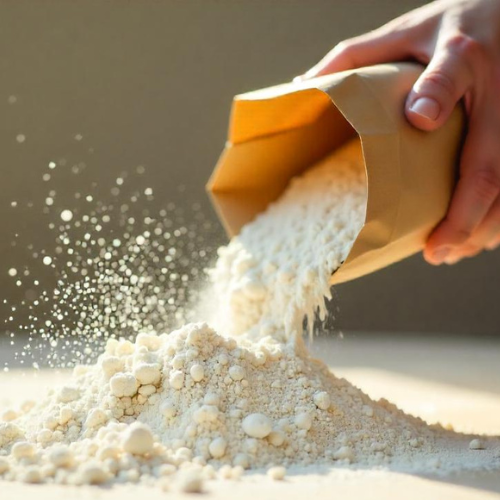
- Storage Conditions: To maintain its properties, DE should be kept in a cool, dry place, away from moisture. Exposure to water can cause the powder to clump, making it less effective as a pest control agent. Additionally, prolonged exposure to sunlight can degrade its quality.
- Pest Resistance: While DE itself does not expire, overuse in pest control applications can lead to resistance in some insect populations. This means that even though the DE is still physically effective, it might not work as well on pests that have adapted to it. To prevent this, it’s advisable to rotate pest control methods.
Signs That DE May Not Be Effective
While DE can last a long time, certain signs can indicate it may no longer be effective:
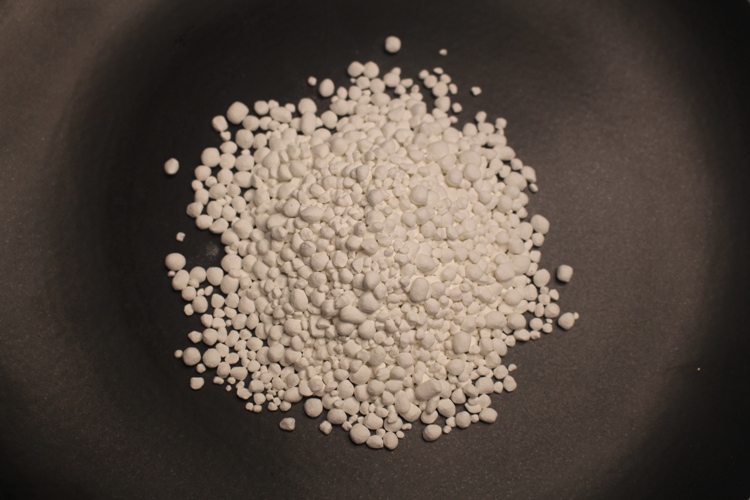
- Clumping: If you notice that the powder has clumped together due to moisture exposure, it might be less effective. Clumped DE is harder to distribute evenly and may not create the dust barrier needed to effectively control pests.
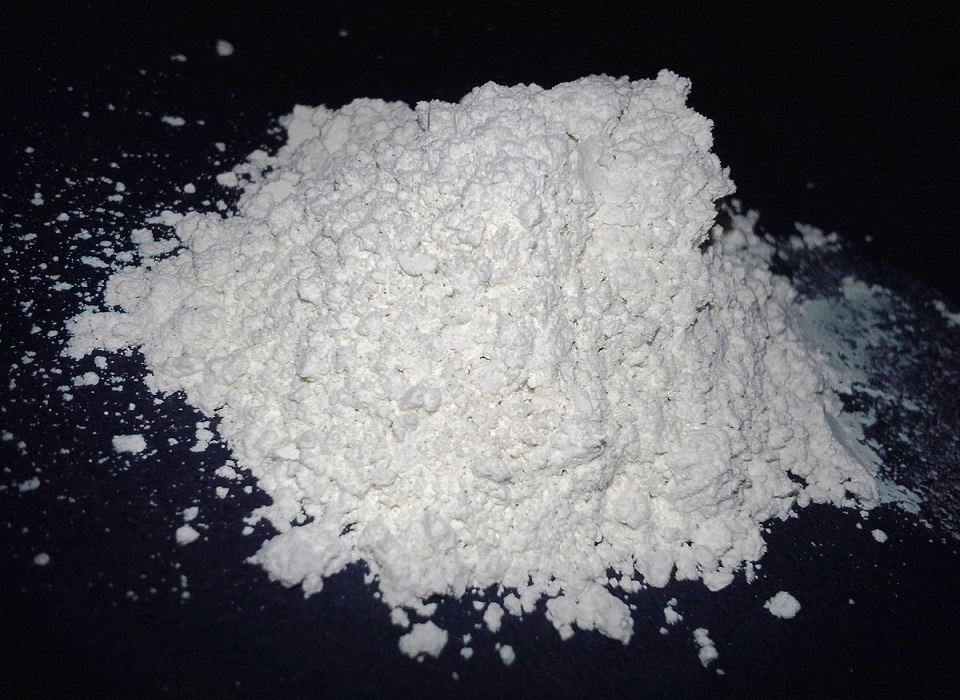
- Loss of Texture: The fine, powdery texture of DE is what allows it to function effectively. If the powder appears damp or has lost its typical texture, it may not work as intended.
- Decreased Effectiveness: If you've used DE multiple times and notice that it no longer kills pests as effectively as before, it may be a sign that the pests have developed resistance or that the DE has degraded.
Best Practices for Storage
To ensure that your DE remains effective for as long as possible, follow these storage practices:
- Use an Airtight Container: Store DE in an airtight container to prevent moisture from getting in. Glass jars, plastic containers, or any sealed storage bags can work well.
- Keep It Dry: Make sure the storage area is dry and cool. Avoid placing DE in humid locations, where moisture is prevalent.
- Avoid Contamination: Keep the container sealed and away from chemicals or other substances that might contaminate DE.
- Check for Quality: Periodically inspect your DE for any signs of clumping, moisture, or changes in texture.
Conclusion
In summary, diatomaceous earth does not expire in the conventional sense. However, proper storage and usage are essential to maintain its effectiveness. By understanding how to store it correctly and being aware of signs that it may be losing potency, you can ensure that your DE remains a reliable tool for pest control, and more. Always check the quality and storage conditions to maximize its benefits.