


How to Use Organic Silicon Fertilizer in India for Maximum Crop Yield

Why Kieselguhr Filters Are Better Than Sand Filters for Industry
October 14, 2025
Everything You Need to Know About Diatomaceous Earth for Insecticides
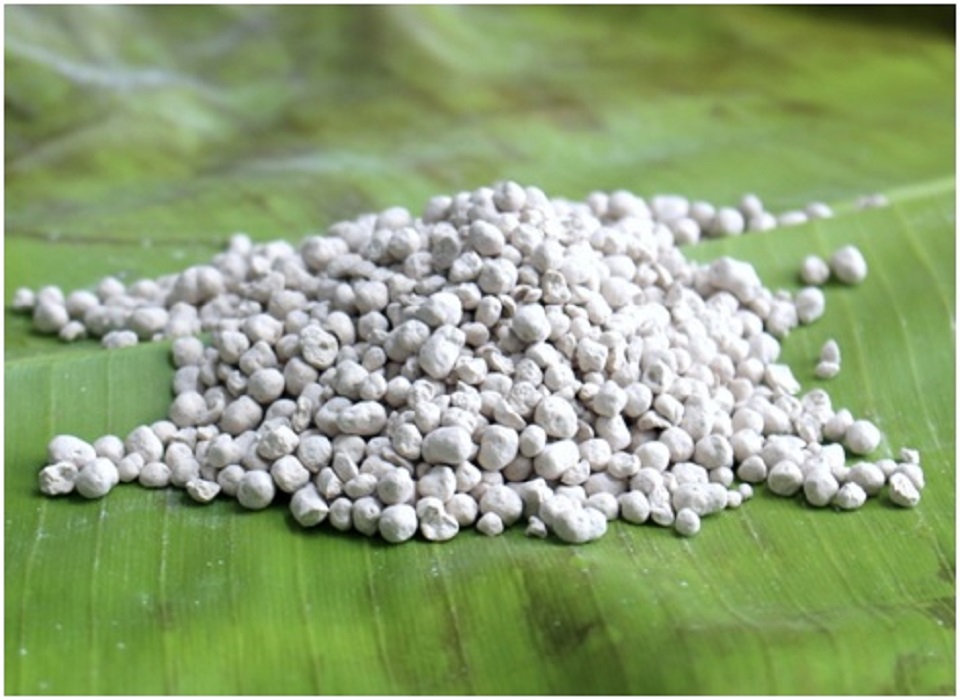
December 8, 2025Organic silicon fertilizer in India is gaining ground among farmers who want healthier fields and stronger harvests. This product is derived from natural silicates and supports soil health by improving structure, boosting microbial balance. What is organic silicon? It’s a plant-available silicon source made for crop uptake, and it helps roots and stems resist stress without heavy chemistry. Many growers now notice that using Organic silicon fertilizer in India gives their crops stronger stems and better resilience without depending on heavy inputs. Want better results without risking the land? Who wouldn’t want crops that stand firmer through storms and recover faster from heat? Many growers report clearer stems and better grain fill within a season, so effects can be noticeable even in the first year.
What Makes Organic Silicon Essential for Crops?
Silicon plays structural and physiological roles many growers overlook. It deposits in cell walls to increase rigidity, reducing lodging and helping plants resist pests and fungal diseases. That structural support also improves nutrient uptake and distribution, which enhances plant growth and makes other fertilisers more effective. You might realize silicon also helps regulate water loss during heat spells and supports cuticle formation that limits pathogen entry. It aligns with sustainable farming because silicon is mineral-based; after all, silicon makes up about 28% of the Earth’s crust, yet plant-available forms are limited.
Key Benefits of Using Organic Silicon Fertilizer
Using organic silicon gives apparent, practical advantages. It strengthens plant cell walls and boosts disease resistance, so crops defend themselves better during humid or wet seasons. Importantly, it raises crop yield in many systems; studies and farmer accounts generally record 10–30% increases when silicon deficits are addressed, particularly in rice and sugarcane. The fertilizer also boosts water and nutrient use efficiency, so irrigation and fertiliser investments yield higher output per unit. It also boosts stress tolerance against drought and pests, helping crops recover faster following stress events. Over the medium term, appropriate silicon use boosts root zone biology and structure, which strengthens soil biology and improves field resilience. Many farmers perceive steadier returns instead of boom-and-bust responses.
How to Apply Organic Silicon Fertilizer for Best Results
Correct timing and dose turn theory into results. A practical starting dosage is 2–5 kg per acre of concentrated organic silicon fertilizer in India at planting, with foliar sprays of 200–400 g per hectare during key stages such as tillering, flowering and early grain fill. Soil mixing at sowing gives continual availability; foliar sprays provide rapid correction when plants face stress. Suitable crops include rice, wheat, sugarcane, maize, vegetables and many fruit crops. For practical crop management, integrate silicon with balanced NPK programs, avoid extreme pH tank mixes and trial products on a small area before scaling up. Small-plot trials and leaf tissue testing help you fine-tune rates for your fields and verify results.
Why Choose Seema Minerals’ Organic Silicon Fertilizer?
The brand uses mineral expertise and field testing to provide a stable, quality-assured product that reduces variability in responses. The formulation relies on natural availability rather than aggressive chemical salts, so it acts as an eco-friendly fertilizer. You’ll notice steadier plant vigour, improved resource use and more predictable farm productivity over seasons. For Indian agriculture facing erratic weather and tighter budgets, this approach offers a practical, resilient tool farmers can use.