


Global Demand Trends and Market Growth of Diatomaceous Earth

Where Does High-Purity Diatomite Come From? Mines, Manufacturers & Origins
January 27, 2026
Diatomaceous Earth: The Ancient Powder Everyone Is Using for Modern Problems
February 9, 2026Ever wondered how industrial liquids achieve crystal-clear clarity or how a gardener controls pests without harsh chemicals? Diatomaceous Earth does both. This humble mineral filters beverages, immobilises soft-bodied pests, and soaks up spills. Think of it as nature's tiny sponges with razor edges. The diatomaceous earth market is booming: estimated around $1.3B in 2025 with a projected 5–7% CAGR to 2032. From small Rajasthan workshops to global processors, demand is real and rising fast.
What is Diatomaceous Earth?
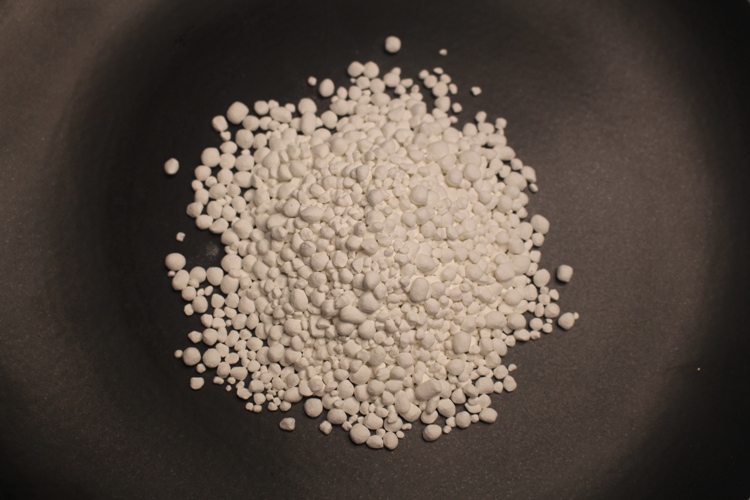
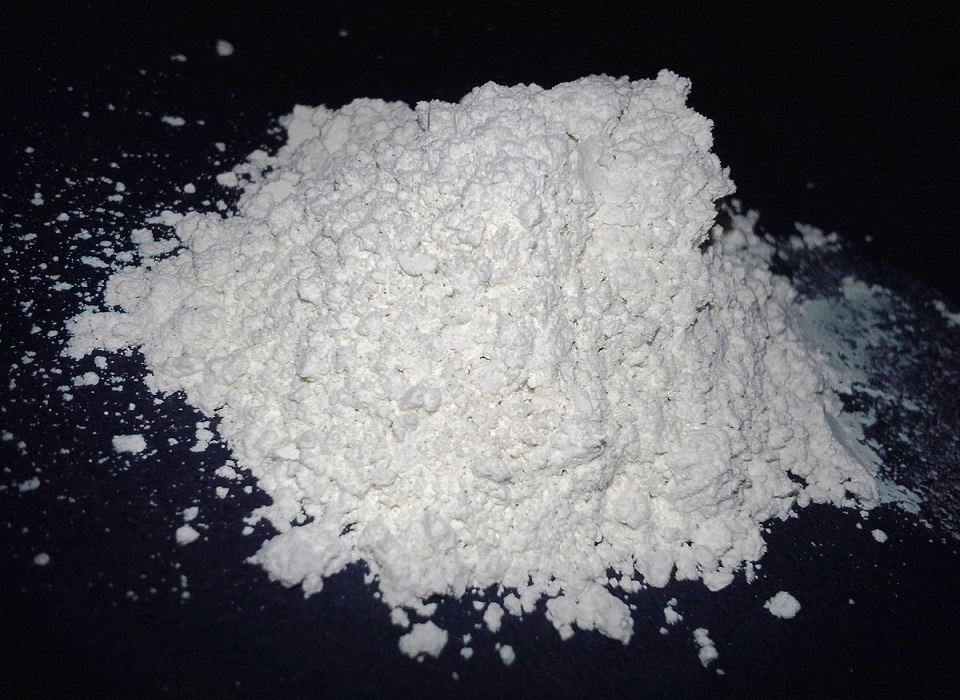
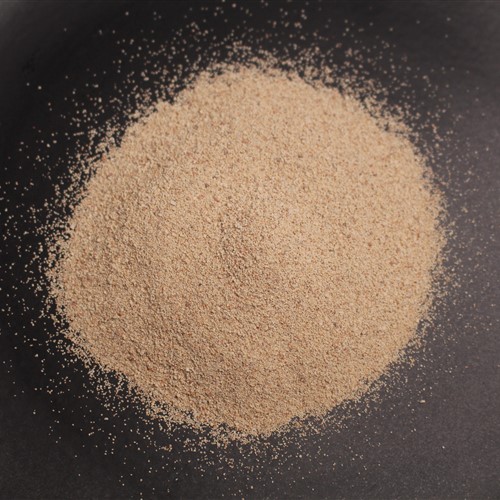
Diatomaceous Earth is fossilised remains of diatoms microscopic algae with silica shells. Over millennia they formed diatomite, a soft, porous rock that mills into a lightweight, abrasive, and highly absorbent powder. It’s used as a filtration aid, mild abrasive, soil conditioner and natural insect control. Simple, versatile and largely eco-safe, Diatomaceous Earth is often called kieselguhr in industry circles.
The global diatomaceous earth supply spans North America, Europe and Asia, with notable reserves in the U.S., China and parts of India. The market mix: beverage filtration (~30%), agriculture (~25%), and industrial uses (absorbents, fillers, wastewater filtration) making up the balance. APAC shows the fastest growth rate, driven by modern farming. Logistics and grade consistency are key; buyers want predictable specs for filtration and agricultural blends.
Driving Demand Trends
Here's why DE demand trends are strong today:
- Organic farming shift: growers opt for diatomaceous earth as a natural insecticide and soil amendment, reducing chemical loads on crops.
- Green building materials: diatomite is used as a lightweight filler in eco-friendly mixes and insulation.
- Industrial filtration & wastewater treatment: stricter discharge rules increase use of kieselguhr-based media.
- Absorbents & spill control: lightweight, high-absorbency grades simplify handling and disposal.
Regionally, North America leads in per-capita consumption, but India and Southeast Asia are accelerating. Picture Rajasthan farms adopting DE soil amendments and local processors buying tested grades for consistent results.
Future Growth Projections for Diatomaceous Earth
Analysts expect diatomite growth to carry the market beyond $2B by the early 2030s. Opportunities include specialty bio-based products, catalyst supports, and renewable-energy applications. Challenges remain: sustainable mining practices, uniform grading and transport costs. Procurement note: securing consistent Diatomaceous Earth grades means checking calcination treatment, particle distribution and silica content small differences change performance dramatically.
Procurement tip: not all Diatomaceous Earth is equal. Variations in calcination, particle size, and silica content change performance; always request a certificate of analysis and pilot samples before bulk purchase. For enterprises scaling filtration or agricultural programs, contract terms, lead times and traceability matter. Seema Minerals provides batch-level testing, COA documentation and flexible packaging to support industrial buyers. Working with a supplier that offers R&D support and on-time deliveries reduces downtime and quality risk, helping companies convert DE demand trends into reliable product performance.
Why Partner with Seema Minerals?
Seema Minerals delivers tested, high-purity Diatomaceous Earth from Rajasthan sources. They offer calcined and flux-calcined grades, custom sieving and steady logistics. Visit Seema Minerals to request samples and technical data. Samples shipped quickly; technical support and batch data on request. With transparent testing and reliable supply, they make scale-up easier for processors and growers alike.
Diatomaceous Earth is riding a wave of sustainable demand across filtration, agriculture and green industry. For buyers seeking predictable performance and ethical sourcing, partnering with an experienced supplier like Seema Minerals is a smart move. The market is growing get the right grade and ride the wave. Contact us today.