


How Diatomite Is Used as a Matting Agent in Industrial Paints, Coatings, and Varnishes

Diatomaceous Earth for Crops: A Summer Pest Management Guide for Farmers
March 9, 2026Industrial Filtration Efficiency: Why Diatomaceous Earth Outperforms Synthetic Filter Aids
April 6, 2026Coatings formulators are not sentimental about raw materials. If something works, they use it. If it creates problems, they switch. Diatomite has stuck around in paint and coatings formulations long enough that the question is no longer whether it works, it is whether you are sourcing the right grade from the right place. The diatomite manufacturers at Seema Minerals supply this material to industrial coatings producers who need gloss reduction that stays consistent batch after batch, without the raw material itself becoming the problem. This is a no-fluff breakdown of how it actually performs.
What Makes Diatomite Work as a Matting Agent
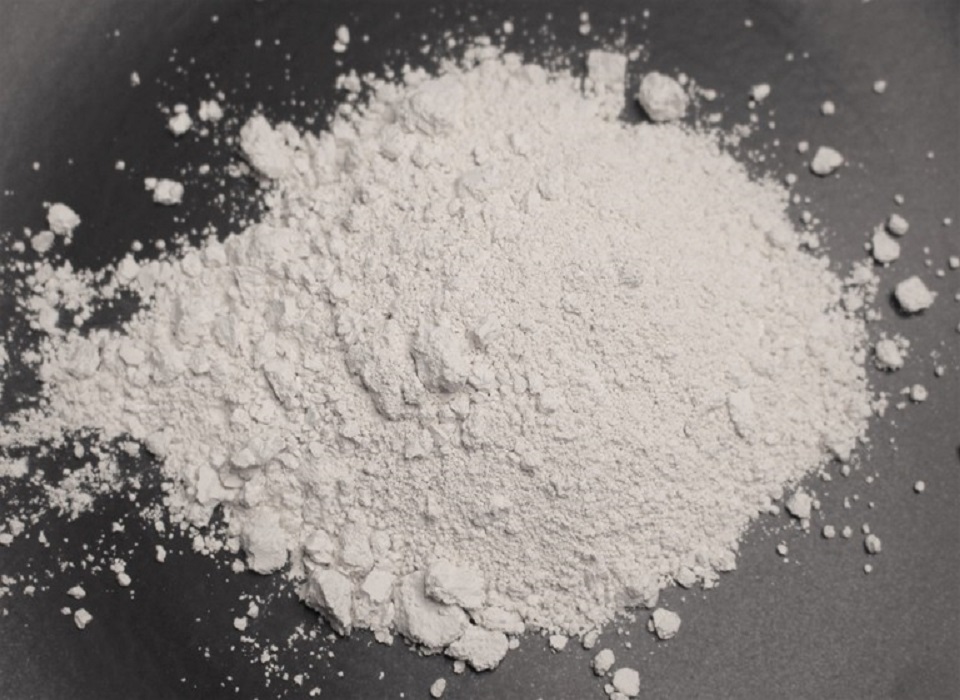
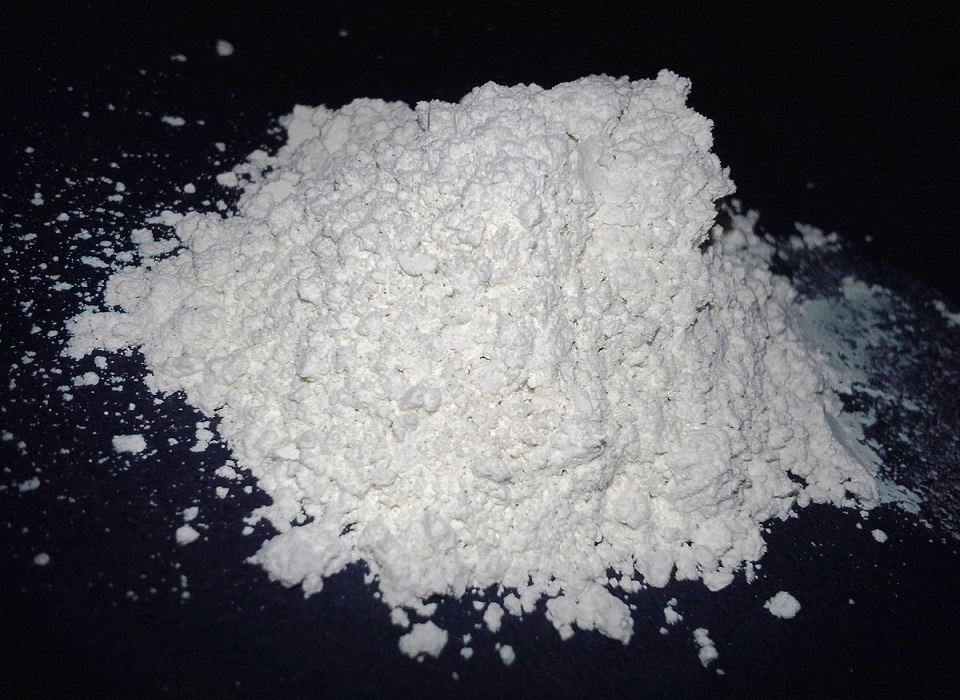
Here is the short version. Diatomite is fossilized diatom skeletons of microscopic aquatic organisms that left behind porous silica shells. Mill it to the right particle size and those irregular, porous particles scatter light at the coating surface instead of letting it reflect cleanly. That scattering brings the gloss number down on the dried film. The longer version is that not every grade does this equally. Particle size distribution, loading rate, and how the material was processed all shift the result. Two suppliers can both call their product "diatomite" and deliver noticeably different gloss readings in the same formula. Grade selection is not a formality, it is part of the work.
How It Behaves in Real Coating Systems
Diatomite shows up in architectural paints, wood varnishes, industrial maintenance coatings, and printing inks. It typically goes in during grinding or letdown, depending on the system. That much is straightforward. What catches some formulators off guard is the porosity. Diatomite absorbs binder and solvent. Ignore that and the formula comes out off-balance. Account for it properly and the material behaves predictably. The matte finish it produces does not drift over the coating's service life, which matters more than it sounds when the end product sits on a substrate outdoors or in a high-traffic environment.
Diatomite vs. Synthetic Matting Agents
Precipitated silica is the standard comparison. It works, and plenty of formulations use it. But the surface it produces looks different. Synthetic silica tends toward a flat, even matte. Diatomite gives a slightly textured appearance softer, more natural-looking. For certain wood coatings and decorative varnishes, that is not a compromise. It is the goal.
Cost is the other factor. At high loading rates, diatomite tends to deliver more matting per dollar than synthetic alternatives. That gap matters when the product has to compete on price in industrial markets with thin margins.
Grade Selection Is Where Most Mistakes Happen
Raw diatomite from different deposits is not the same material in any practical sense. Purity levels differ. Particle size differs. Silica content differs. Two calcined grades from different sources can perform differently enough in a formulation, if the switch was not tested properly.
For coating use, calcined grades are the most common. High-temperature processing removes organics and tightens particle consistency. Flux-calcined grades go to higher temperatures, a flux agent, brighter particles, tighter size distribution. These are used when the optical specs in the application leave little room for variation. Picking the wrong grade tends to show up in the film appearance or the rheology. It does not always announce itself loudly.
Why Choose Seema Minerals
Seema Minerals does not sell generic diatomite and leave the formulation questions unanswered. The company supplies processed grades with actual technical documentation particle size data, purity specs, and batch records. When a question comes up mid-production, there is a direct line to someone who knows the material, not a customer service script. That matters when production is running.
Conclusion
Seema Minerals is a mineral processing company specializing in industrial-grade diatomite supply and processing. Diatomite reduces gloss, adds film texture, and costs less than many synthetic alternatives at high loading rates. It has been used in coatings for decades because the performance holds. Seema Minerals processes and supplies industrial-grade diatomite suited to paints, varnishes, and coatings formulations. Get in touch to talk through which grade fits your system.
Frequently Asked Questions
11. What particle size of diatomite is typically used in paint formulations?
The range most coatings work falls into is roughly 5 to 25 microns median particle size. That said, the number that actually matters is the one that works in your specific formula. A wood varnish targeting very low gloss needs a different particle size than an architectural paint with a satin finish. Start with the grade closest to your target and test from there the spec sheet gives you a starting point, not a final answer.
22. Does diatomite change the color of a paint or varnish?
It does, and this surprises some formulators the first time they run it at higher loading rates. It adds whiteness and some opacity to the film. How much depends on the grade. Calcined grades are noticeably brighter than natural grades. If color accuracy matters in your formulation, grade selection and loading rate both need to be locked in before you finalize the color balance.
33. Can diatomite be used in water-based coatings?
Yes. It works in water-based and solvent-based systems. But do not assume a formula that works in one system will transfer cleanly to the other. Dispersion behavior changes, and the way diatomite interacts with the binder can shift enough to throw the formula off. Test it fresh rather than copying loading rates from a different system type.
44. How does loading rate affect the final result?
Higher loading brings gloss down; that part is straightforward. What is less obvious is that there is a point where adding more diatomite stops improving the finish and starts creating other problems. Film build, flow, and rheology all get affected if loading goes too high. The right rate is something you find through testing. There is no universal number that works across all coating types.
55. What is the actual difference between calcined and flux-calcined diatomite?
Calcined diatomite goes through high-temperature processing to burn off organics and tighten particle consistency. Flux-calcines takes that further `a flux agent is added and the temperature goes higher, producing particles that are brighter, more uniform, and more tightly sized. Flux-calcines are not automatically better. It is the right choice when the application has tight optical requirements. For general coatings use, standard calcined grades often do the job without the added cost.
Related posts
September 8, 2026
May 18, 2026