


How to Source High-Purity Diatomaceous Earth for Insecticide Formulations

When should you replace your ceramic water filter candle?
April 14, 2026
Why Diatomaceous Earth Is Replacing Absorbents in Industrial Spill Management
May 11, 2026Most sourcing problems start the same way. Someone gets three price quotes before they've figured out what purity spec they actually need. If you're procuring Diatomaceous Earth for Insecticides that shortcut catches up with your fast failed QC, reformulation costs, registration delays that were completely avoidable.
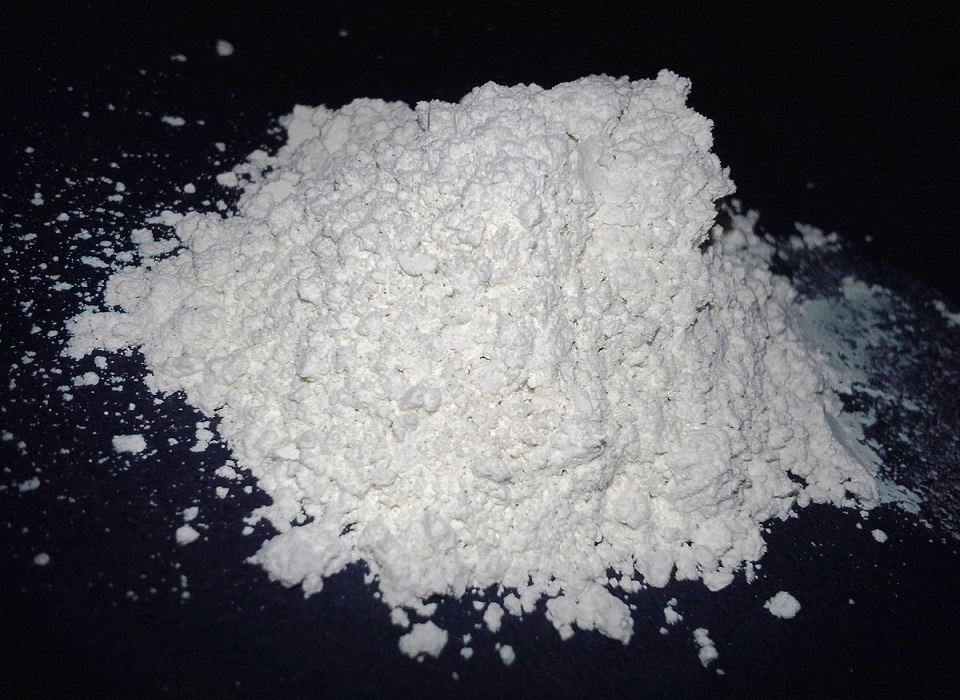
What makes diatomaceous earth work in pest control
The mechanism is physical, not chemical. Silica particles from fossilized algae scratch through an insect's waxy outer layer and it dries out and dies. That depends entirely on particle structure and surface chemistry so amorphous silica content isn't bureaucratic box-ticking, it's what determines whether the material actually works in your formulation.
Insecticide-grade diatomaceous earth has different testing standards, different purposes. In procurement conversations they get mixed up constantly. For pest control manufacturing, insecticide-grade is what you need, that's not a technicality.
Quality parameters worth checking before any order
Get a technical data sheet first. The numbers that actually matter: amorphous SiO₂ above 85% for most applications, moisture below 5%, median particle size.
Then ask the supplier how they test. Batch-level documentation or just periodic lot checks that's the question worth asking. Batch-level means you can trace what went into your formulation when someone comes asking. And someone will come asking.
Why deposit origin matters
This gets less attention than it deserves. A deposit's geological history determines which diatom species are present. That shapes particle morphology and surface area directly. Freshwater and marine deposits perform differently in formulation, calling them both "diatomaceous earth" doesn't make them equivalent, and treating them as such causes real inconsistencies.
Sourcing from regions with documented geological profiles gives you predictable, consistent material between orders. India has solid diatomite deposits, and Seema Minerals sources from extraction points that have been characterized and tested across commercial parameters.
Documentation for export markets
Going into markets outside India? Your raw material paperwork is part of the registration file. Certificates of analysis, origin documents, third-party lab reports all required, not optional. Sort out what your target markets need before locking in your spec. Discovering a documentation gap after bulk orders have already shipped is not a conversation anyone wants to have.
A reliable supplier has this ready without you chasing them for it.
Why Seema Minerals works for insecticide formulators
Seema Minerals has worked with agrochemical manufacturers long enough that the answers don't sound like a sales call.Consistent purity. Supply timelines that don't slip. Documentation ready for export registration. Evaluation samples available if you want to test before committing to bulk.
The practical approach to sourcing
Test before you buy bulk. Run the supplier's CoA against your own lab results. Ask where the deposit is from. Talk to your supplier before you're already mid-production and running low. None of this is hard, it's just doing things in the right order.
Frequently Asked Questions -
1What purity level is needed for insecticide-grade diatomaceous earth?
Above 85% amorphous SiO₂ for most applications. Verify against your specific formulation and the registration standards of your target markets.
2Is food-grade diatomaceous earth usable in insecticide formulations?
No. Wrong standards, wrong purpose. Specify insecticide-grade for pest control manufacturing.
3How do I verify a supplier's quality claims?
Get a sample, send it to a third-party lab, compared against the supplier's CoA. Do this before bulk orders, not after.
4Why does deposit origin matter?
Geology shapes diatom species, which shapes particle morphology and surface area, which shapes formulation performance. It's not a branding distinction.
5Does Seema Minerals provide documentation for export registration?
Yes. Certificates of analysis, origin documentation, and technical data sheets are available for international market registration.
Related posts
April 6, 2026