


Why Diatomaceous Earth Is Replacing Absorbents in Industrial Spill Management

How to Source High-Purity Diatomaceous Earth for Insecticide Formulations
April 23, 2026
Fluorine in Phosphoric Acid Plants Is a Bigger Problem Than Most People Admit
June 17, 2026Clay Absorbents Have Been Getting a Free Pass for Too Long
Most factories have been using clay-based absorbents since before anyone on the safety team was born. Nobody questions it. A drum gets knocked over, someone grabs a bag, spreads it around, and sweeps up ten minutes later. Job done, move on.The problem is that "getting it done" and "doing it well" are not the same thing.
Clay is dense. It goes through fast. And if you have ever watched a worker try to spread it across a wide fuel spill on a concrete floor, you know it tends to push the liquid around before it actually catches it. Then you have a bigger mess than you started with, more bags used, more waste to deal with, and a floor that still needs a second pass.Facilities that switched to using industrial diatomaceous earth for spill response usually describe the same reaction: they did not expect the difference to be that noticeable. It was.
What Diatomaceous Earth Actually Is and Why the Structure Matters
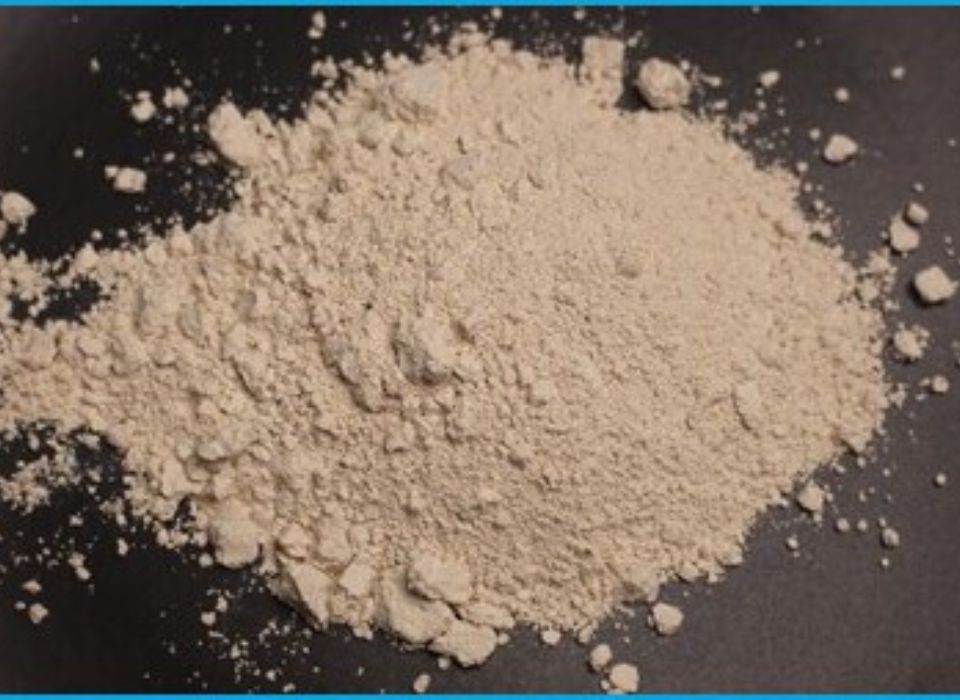
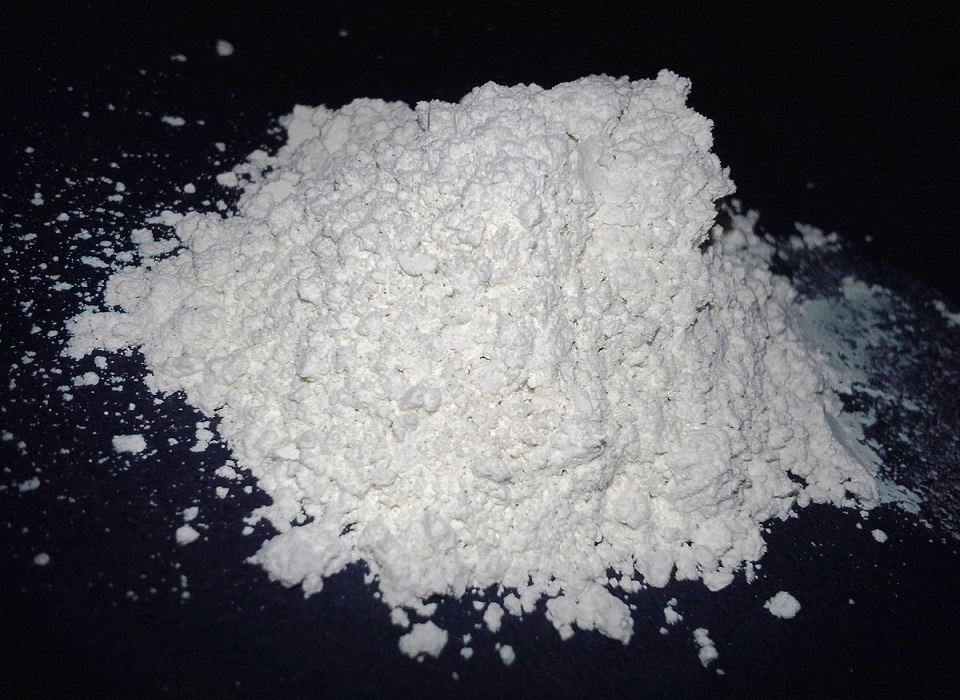
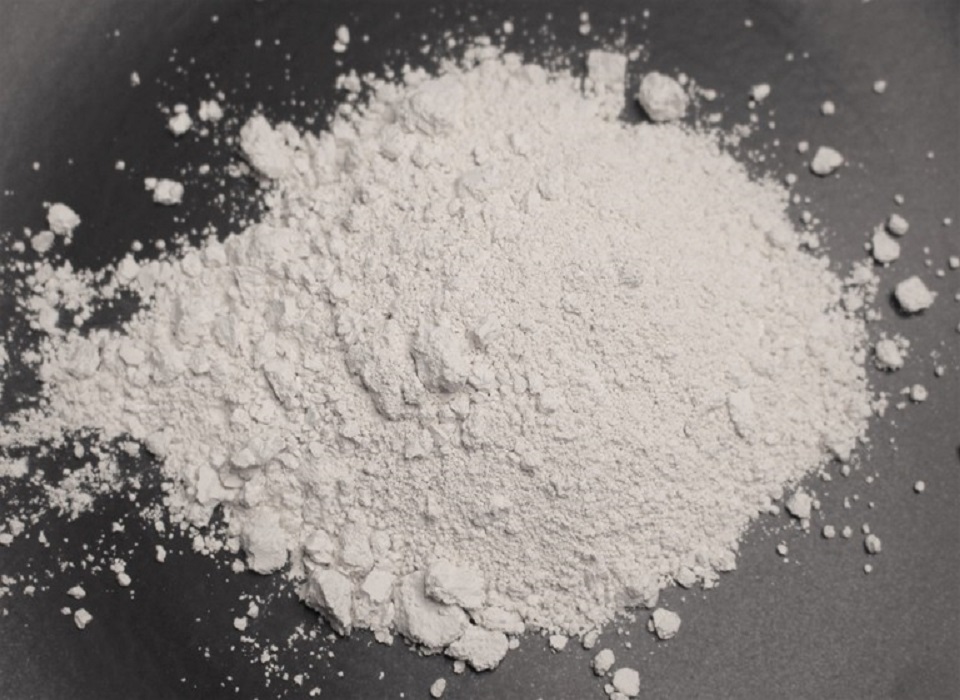
It comes from diatoms. Tiny fossilised marine organisms, millions of years old, with shells that look like lattice structures under a microscope. All those microscopic holes are what make it effective. When it hits a spill, it does not just sit on top the way clay does. It pulls liquid in through those pores and locks it inside, rather than just coating the surface. So when you sweep it up, the liquid comes with it. Clean floor, one pass, done.
Per kilogram, it holds significantly more liquid than clay. That means less product used per incident, less waste generated, and lower disposal costs by the end of the week. The numbers start working in your favour fairly quickly once you run them.Weight is another thing worth mentioning. Clay bags are heavy, and workers know it. Lighter material means less effort per cleanup, fewer trips across a large floor, and faster containment from the moment the bag is opened.
Where Facilities Are Actually Putting It to Work
Automotive workshops were early adopters. Oil and brake fluid spills happen constantly, and cleanup needs to be fast and complete because a slick floor is a liability that does not wait. Diatomaceous earth handles both without leaving a greasy residue behind.Refineries and fuel storage sites use it because it does not react with flammable liquids. No sparking, no combustion risk on contact. For sites that already manage enough hazards without adding new ones, that matters.
Chemical handling units use it on acid and alkaline leaks. The material is inert, so it absorbs without interacting with the chemical, which keeps the cleanup straightforward.One maintenance supervisor at a manufacturing unit described switching over like this: the first time they used it on a hydraulic oil spill, the floor came up cleaner than it ever had with clay, and they had used maybe half the quantity they would normally go through. That kind of result is not unusual. It is why the shift is happening across so many industries.
The Price Conversation That Procurement Teams Always Start With
Yes, it costs more per bag. That is the first thing buyers notice and the thing they bring up immediately.Here is what they tend to notice later.
A facility managing frequent spills using clay burns through bags fast. With diatomaceous earth, the same spill needs less material. Over a month of regular incidents, that quantity gap closes the per-bag price difference more than most people expect before they run the numbers.
Then there is disposal. Industrial absorbent waste carries disposal costs, and in many regions those costs are going up as regulations tighten. Less waste per incident means lower fees. That is a real line item that shows up on real budgets, not a theoretical saving someone invented to justify a switch.Most facilities that run the comparison for a quarter do not go back.
Why Seema Minerals Handles This Specifically
Seema Minerals does not try to carry everything. The focus is mineral-based industrial materials, and diatomaceous earth is one of the core products. That narrower focus means quality stays consistent between the sample and the bulk order — which matters more than it sounds if you have ever received a product that tested well and then arrived differently at scale.
Seema Minerals works directly with procurement and safety teams before an order goes through, to make sure the right grade is matched to the actual application. Refineries, automotive plants, and chemical facilities needing large ongoing volumes get bulk supply with reliable timelines. Smaller facilities that want to test before committing can request sample quantities to try on their real spill scenarios first.
There is no pressure to commit to a full order upfront. Seema Minerals would rather a buyer be certain the product works for them.
Conclusion
No new equipment. No retraining. Workers apply it the same way they would any loose absorbent. The difference shows up in how the floor looks afterward and how much product is still left in the bag.
If your facility is still buying clay out of routine rather than because anyone has actually compared it recently, a trial is worth the effort. Same spill scenario, same surface, both materials side by side. The gap is usually obvious within the first cleanup. Seema Minerals can help set that up.
Frequently Asked Questions
1Is diatomaceous earth safe for workers handling it during cleanup?
It is non-toxic and does not react chemically with what it absorbs. Workers should wear a dust mask during application since fine particles can irritate the lungs if inhaled, and gloves are a sensible precaution. Handling it is no more complicated than any other loose absorbent material on the market.
2Does it work on chemical spills, or mainly oil and fuel?
It handles oil, fuel, mild acids, alkaline fluids, and water-based spills. For highly concentrated corrosive chemicals, check with your safety officer first to confirm compatibility with the specific substance you are dealing with.
3How does absorption compare to clay?
Depending on the grade, it typically absorbs between one and four times its own weight in liquid. Standard clay falls well below that range. That gap is why facilities end up using noticeably less product per incident after making the switch.
4What happens to the used material after a spill?
Disposal depends on what it absorbed. For oil and fuel, it follows standard industrial waste disposal guidelines in most regions. Because it holds more liquid per unit of weight, there is usually less total material to bag and haul away than a clay cleanup would have left behind.
5How do we get started with Seema Minerals for a trial or bulk order?
Reach out to the Seema Minerals sales team with your application details and a rough idea of your spill frequency. They will match the right grade to your use case and can arrange sample quantities if you want to test it on your actual conditions before placing a larger order.
Related posts
April 6, 2026