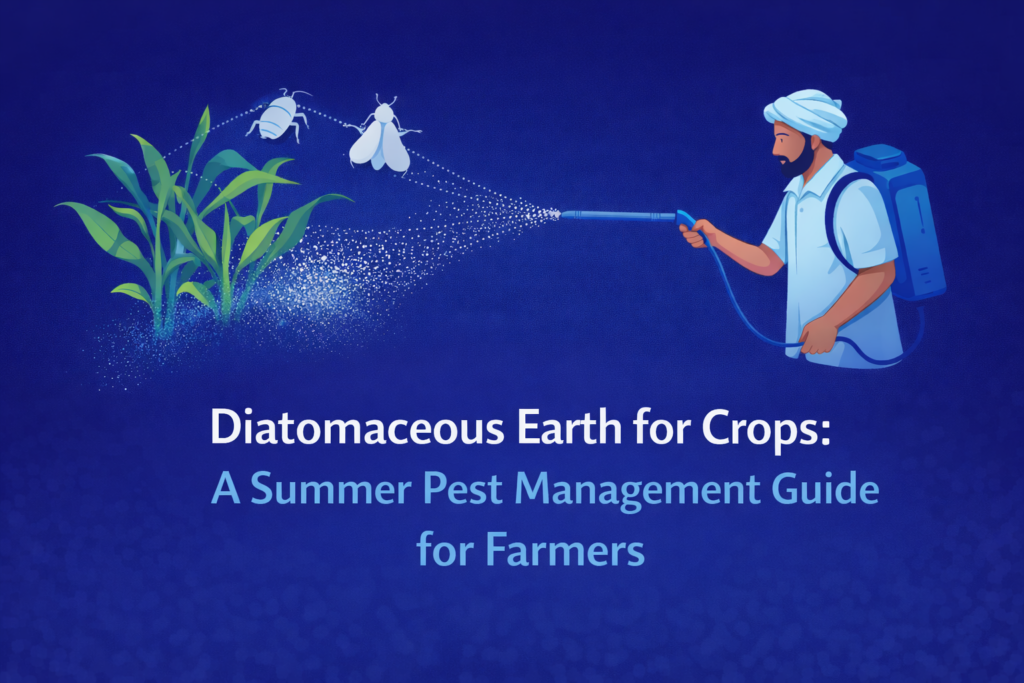



Diatomaceous Earth for Crops: A Summer Pest Management Guide for Farmers

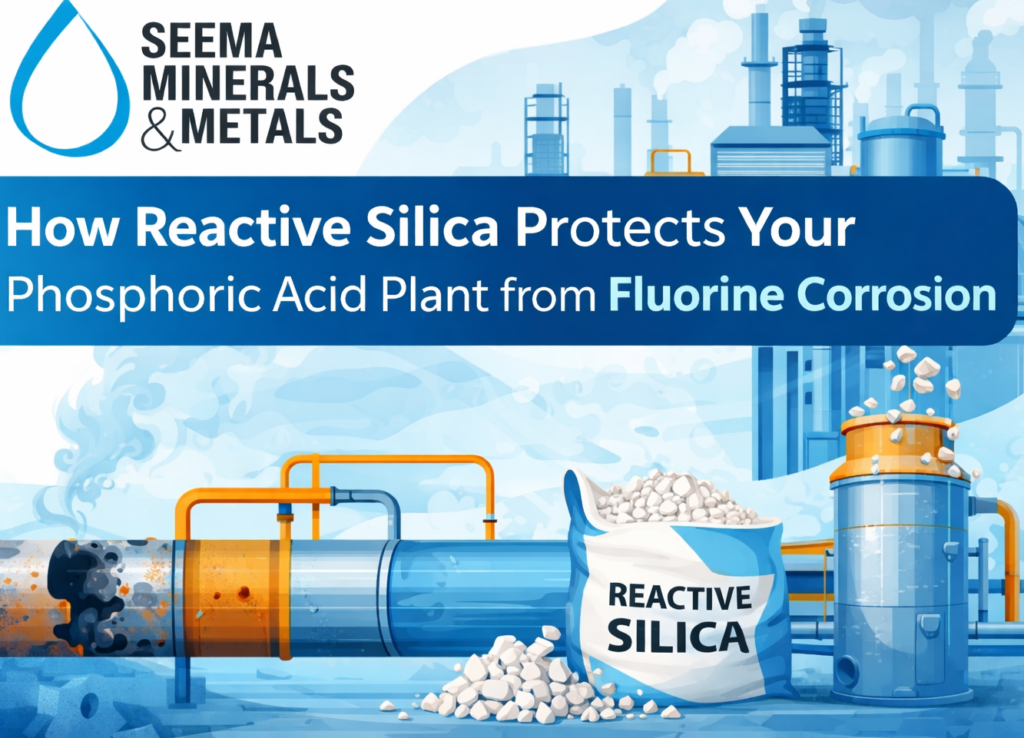
How Reactive Silica Protects Your Phosphoric Acid Plant from Fluorine Corrosion
March 2, 2026Walk through any farm in April and you'll see the same thing - leaves curling, stems spotted, and farmers wondering why the spray they used last season isn't cutting it anymore. Summer brings heat, and with heat comes pests. Lots of them. Aphids, thrips, whiteflies, cutworms all thrive when temperatures climb past 35°C. And the more seasons you've relied on chemical insecticides, the less effective they tend to become. Pests adapt. Chemicals don't always keep up. That's where diatomaceous earth comes in. It's not a new discovery; many farmers in several countries have used it for decades but it's only recently started gaining real traction among growers looking for a more reliable, low-cost approach to summer pest control.
So What Exactly Is Diatomaceous Earth?
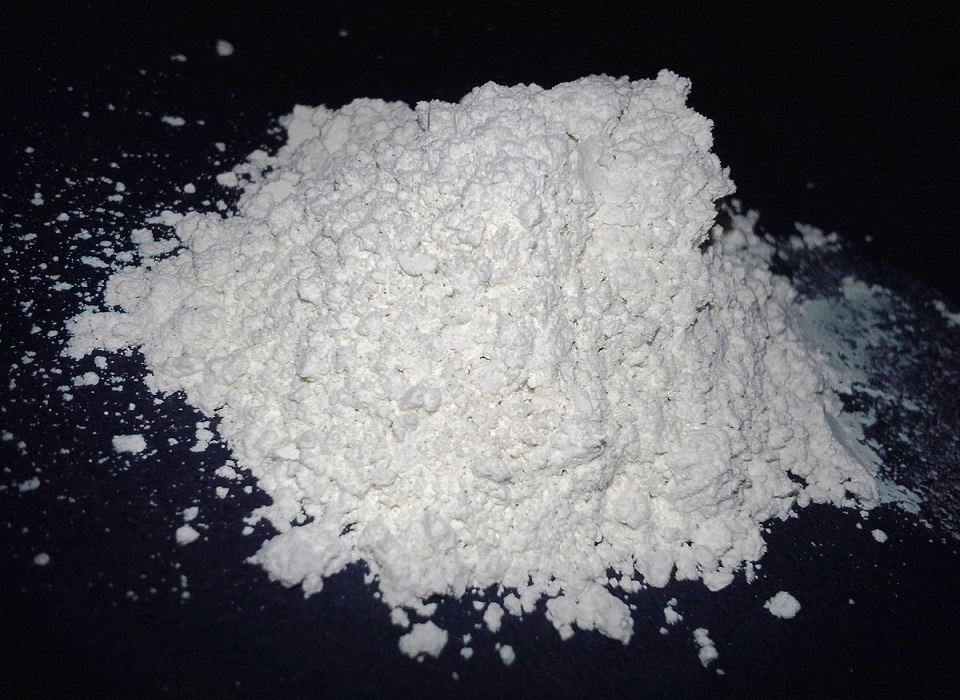
Diatomaceous earth (DE) is a naturally occurring powder made from the fossilised shells of microscopic aquatic organisms called diatoms. These ancient creatures lived in water bodies millions of years ago, and when they died, their silica-rich shells settled and compacted into rock deposits the same deposits Seema Minerals mines in Jaisalmer, Rajasthan.
When this rock is processed and milled into a fine powder, something interesting happens. Under a microscope, each particle has sharp, jagged edges. For insects, crawling over a surface dusted with DE is essentially crawling over tiny blades. The silica particles break through the waxy layer of their outer shell, and the insect loses body moisture and dies. No poison. No spray drift. Just a purely physical process that pests can never build a resistance to because there's nothing biological for them to adapt to.
Which Summer Pests Does It Actually Work On?
Most of the pests that give farmers headaches during summer are exactly what DE handles well.
Aphids show up on the undersides of leaves and quietly drain the life out of your crop. A light dusting of DE disrupts their movement and feeding, especially when applied early in the morning when dew helps the powder stick initially.
Thrips are particularly destructive on chilli, onion, and cotton in dry heat. They're small enough to miss until the damage shows up as silvering or scarred leaf surfaces. DE applied at the foliage level creates a barrier they struggle to cross.
Whiteflies on tomato and brinjal spread fast in hot, dry conditions. Consistent DE application as a preventive measure keeps populations from exploding rather than trying to control an existing swarm.
Cutworms and soil larvae damage roots before plants even get established. Working DE into the topsoil before transplanting or sowing gives you a head start on these hidden pests.
Stored grain pests, weevils, beetles, and moths become a serious concern as Rabi harvests come in during April and May. Mixing DE with stored wheat, mustard, or pulses keeps grain protected through the summer storage period without any chemical involvement.
How to Use DE on Your Farm This Summer
The application is simple, but a few details make a real difference in how well it performs.
For standing crops, dust DE evenly across the leaves, stems, and the soil around each plant's base. Focus on the underside of leaves that's where most insects feed and lay eggs. You don't need heavy coverage; a thin, visible white film is enough. One important thing: DE needs to stay dry to work. The good news is that summer conditions are actually ideal for this. The heat and low humidity keep it active for longer stretches. Just plan to reapply after irrigation or rain.
For soil treatment, work DE into the top layer before transplanting summer vegetables. Beyond pest deterrence, it helps with soil aeration too which matters in the compacted soils after a dry winter season.
For grain storage, mix DE with your harvested grain before loading into sacks or silos. A rough starting point is around 1 kg per tonne of grain. It's a simple step that can save a meaningful portion of stored crop from post-harvest losses.
Why More Farmers Are Making the Switch
Part of it is economics. Input costs for chemical pesticides have climbed steadily, and the returns keep shrinking as pest resistance builds. Diatomaceous earth costs less per season and doesn't lose effectiveness over time the way chemical formulations do.
Part of it is also market pressure. Farmers supplying processors or exporters are increasingly asked about pesticide residue levels. DE fits within most Integrated Pest Management (IPM) frameworks and is accepted as a non-synthetic input under several organic certification standards which opens doors to better pricing in premium markets.
And honestly, a big part of it is just frustration with the same old approach not delivering the same results it once did.
One Thing Worth Knowing About Quality
Not all diatomaceous earth performs the same in the field. The silica content, particle size, and how it's been processed all affect real-world performance. Industrial or pool-grade DE is treated very differently and isn't the right fit for crop application.
At Seema Minerals, we've been mining diatomite from Jaisalmer and processing it at our Udaipur plant for over 40 years. We supply agricultural-grade DE suited for crop protection, soil use, and grain storage and we're happy to help you work out the right grade and quantity for your specific crop and conditions.
Reach us at sales@seemaminerals.com or call +91-9414156491 before this summer season gets fully underway.