


Fluorine in Phosphoric Acid Plants Is a Bigger Problem Than Most People Admit

Why Diatomaceous Earth Is Replacing Absorbents in Industrial Spill Management
May 18, 2026
How Diatomite Kieselguhr Removes Heavy Metals and Suspended Solids
June 25, 2026Nobody Talks About Fluorine Until Something Breaks
Here's the thing about hydrogen fluoride and silicon tetrafluoride: they're produced every time you make phosphoric acid. No exceptions. The moment sulfuric acid hits phosphate rock, fluorine starts moving into the gas phase, into the liquid phase, into your equipment.
Most plants manage it the same way. Scrubbers on the gas side. Lime treatment on the wastewater. A neutralization step before discharge. It gets the job done, mostly. But that word "mostly" carries a lot of weight when you're trying to stay under a regulatory limit or figure out why your heat exchangers are scaling faster than they should.
The problem with that approach is it's always downstream. You're catching fluorine after it's already done damage after it's already corroded a pump casing, already built up on a tube bundle, already made your effluent numbers inconsistent.
What changed things for a number of Seema Minerals clients was switching to active silica for phosphoric acid plant fluorine control not as a replacement for end-of-pipe treatment, but as something that intercepts fluoride earlier, before it gets expensive.
The Chemistry Is Simple. The Execution Usually Isn't.
Silica and fluoride have been reacting with each other since long before anyone thought to use that reaction deliberately. In an acidic environment, silica converts free fluoride into fluosilicic acid H₂SiF₆. That compound is stable. It doesn't attack steel. It doesn't pit concrete. It's manageable in wastewater treatment. So the concept isn't complicated. Add silica. Fluoride gets bound up. Less free fluoride in your process stream.
Where it gets harder is execution. Generic silica, the kind sourced for general industrial use often has low surface area and inconsistent particle size. It reacts slowly, or unevenly, which means partial conversion and unpredictable results. Some batches work fine. Others don't. And when you're running at capacity, inconsistent chemistry is a real problem.
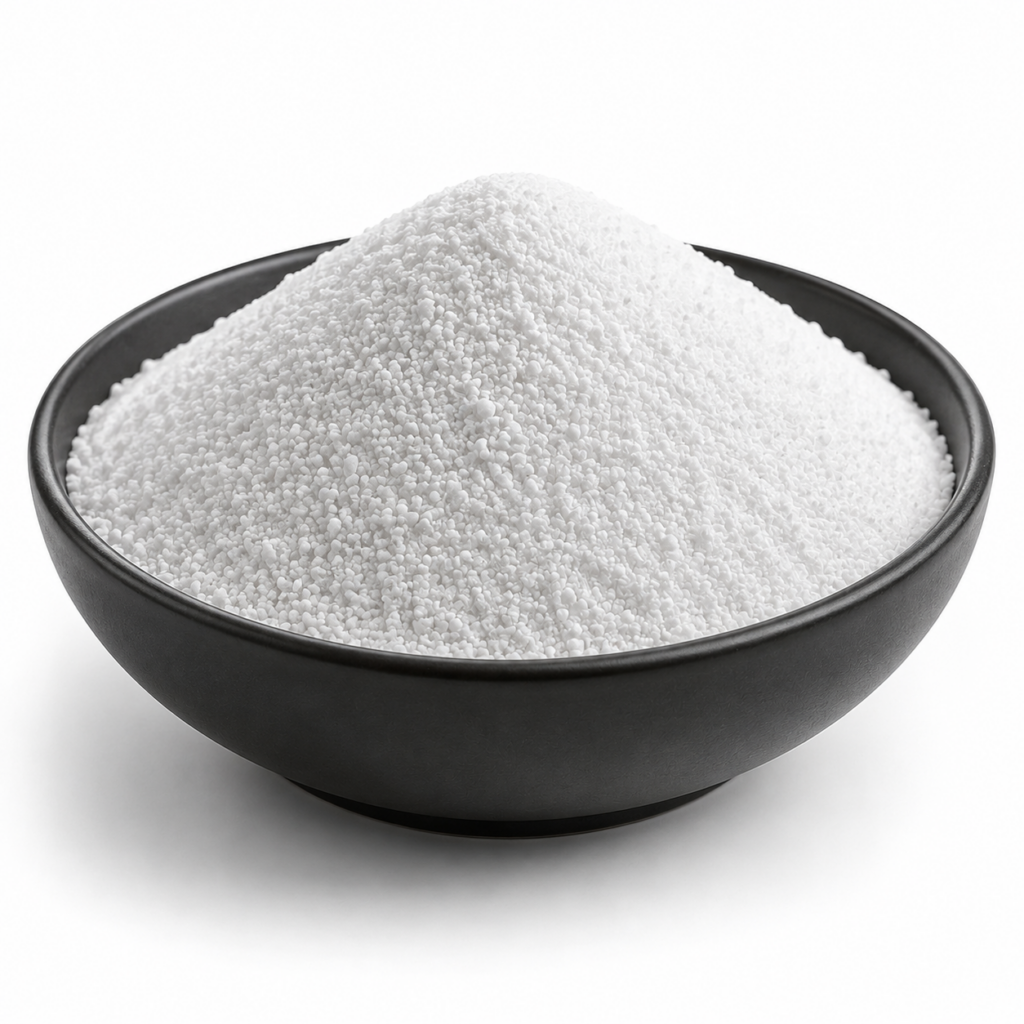
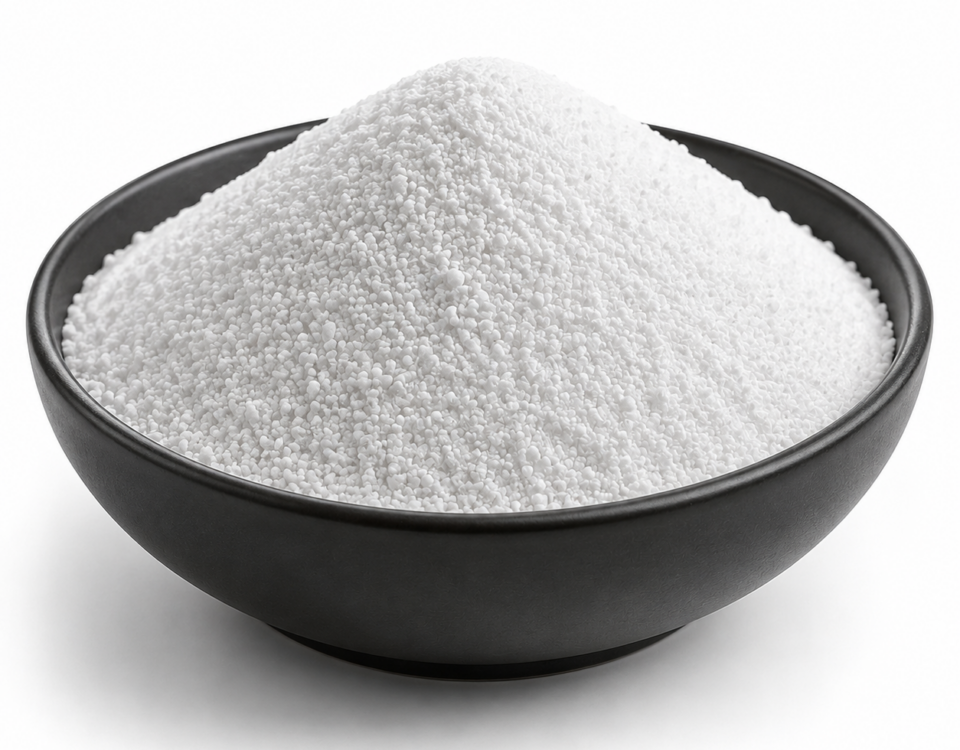
Active silica is specifically characterized for reactivity. Surface area, particle distribution, SiO₂ content controlled to ensure the reaction actually happens at the rate and completeness you need. That's what Seema Minerals produces. Not general silica with a different label. Silica that's tested for performance in acidic fluoride conditions, batch after batch.
What Actually Changes When You Use It Properly
The first thing most plants notice is effluent. Within a few weeks of consistent active silica for phosphoric acid plant application, the fluoride load hitting the wastewater treatment system drops. Treatment becomes more predictable. The neutralization chemistry settles. Discharge numbers stop bouncing around.
The second thing and this one takes a few months to see clearly is maintenance. Scaling on heat exchanger surfaces slows down. Corrosion on steel components in wet scrubbing sections doesn't stop, but it slows. Gasket life improves in some areas.
Seema Minerals has tracked this with clients over 12 to 18 months. The maintenance picture doesn't transform overnight, but the direction is consistent. Plants that were replacing certain components on a six-month cycle stretched it to nine or ten. That adds up fast in a production environment where unplanned downtime costs real money.
None of this requires a major process change. You're adding a material at a controlled dosing point, usually at the digestion stage. The plant keeps running. The chemistry adjusts gradually.
The Environmental Side Is Practical, Not Just Regulatory
There's a version of this conversation that's all about compliance, hitting the 10 mg/L discharge limit, passing the inspection, and keeping the regulator happy. That matters. But it's not the whole picture.
When fluoride concentration in your process liquid is lower throughout the system, you're producing less fluoride-contaminated wastewater in the first place. The scrubber blowdown has less fluoride in it. The filter cake is cleaner. Treatment sludge volume goes down.
Downstream treatment costs drop. Less lime consumption, less neutralization chemical use, less sludge to manage and dispose of. That's a direct saving on the operating side, not a compliance benefit.
Using active silica for phosphoric acid plant operations creates that effect by reducing the fluoride burden at the source. For plants with tight environmental budgets or limited treatment capacity, that difference is real and it shows up on the cost sheet.
Seema Minerals has worked with facilities where this shift moved them from chronic borderline compliance to comfortable headroom not because they built new treatment infrastructure, but because the fluoride load arriving at treatment was simply lower.
What to Check Before Buying Silica for This Application
Not every supplier understands what "active" actually means here. Some will sell general fine silica and call it reactive. A few things worth checking before you commit.
Ask for BET surface area data. For fluoride capture in acidic conditions, surface area matters a lot. A product with 200+ m²/g behaves very differently from one sitting at 50 m²/g. If a supplier can't give you that number, that tells you something.
Ask how reactivity is tested. A supplier who takes this seriously will test their silica in conditions that actually resemble process chemistry acidic pH, elevated temperature, realistic fluoride concentrations. Purity specs alone aren't enough.
Ask about batch consistency. This is where generic industrial silica often falls short. One delivery performs well, the next one doesn't quite match. For dosing to be reliable, the material has to be consistent from delivery to delivery.
Seema Minerals maintains batch-level reactivity documentation and publishes surface area data for each product grade. That's not standard practice in the silica supply industry. It matters when you're using active silica for phosphoric acid plant fluorine management at any meaningful scale.
If Your Current Approach Isn't Quite Working
A lot of plants live with a version of this problem quietly. The scaling isn't catastrophic, just persistent. The effluent numbers are usually fine, but not always. Maintenance is higher than it should be but not high enough to trigger a formal review.
That's actually the most common situation. And it's the one where properly characterized silica tends to have the clearest effect because the system is already almost working, and what it needs is a more reliable mid-process fluoride capture step.
If any of that sounds familiar, it's worth a conversation with someone who understands both the chemistry and the operational constraints. That's exactly what Seema Minerals does.
Frequently Asked Questions
What makes active silica different from standard industrial silica?
Surface area and controlled particle size are the main differences. Active silica is tested for how quickly and completely it reacts with fluoride in acidic conditions. Standard silica may carry similar purity specs but behave very differently in practice: slower reaction, incomplete conversion, unpredictable results batch to batch.
Where in the process should silica be added?
The digestion stage is usually the best entry point, before evaporation, while the slurry is still reactive. This captures fluoride early and reduces the load carried through the rest of the system. Exact placement depends on plant layout and rock chemistry.
Does adding silica change the purity of the final acid?
At correct dosing levels, no. The silicofluoride compounds that form are removed with the filter cake. Seema Minerals works with clients to establish dosing that manages fluoride without carrying silica through into the P₂O₅ product.
Can this reduce scrubber load as well?
To some extent. Active silica targets dissolved fluoride in the liquid phase, not gaseous emissions directly. But when less fluoride stays free in the slurry, less volatilizes to the gas phase which does reduce what the scrubber has to handle over time.
How long before a plant sees measurable improvement?
Effluent fluoride levels typically respond within two to four weeks of consistent application. Scaling and corrosion improvements take longer, three to six months is a more realistic window for those changes to show up clearly.