


How Kieselguhr is Obtained: From Ancient Deposits to Industrial Processing

Industrial vs Agricultural Diatomaceous Earth: What’s the Real Difference?
June 16, 2025
How Does Silicon Fertilizer Boost Plant Cell Strength to Fight Disease?
August 4, 2025It is made from the fossilized remains of diatoms and has a porous structure that makes it work very well in many different fields. Diatomaceous earth or also known as kieselguhr is a mineral that is used for filtering, insulating, and soaking up water. This article explains how kieselguhr is made, from ancient deposits to modern processing, and shows how it can be used in many different ways.
How Kieselguhr Is Obtained: Mining & Processing
Geological Survey & Extraction
- Open‑Pit Mining: Targets sedimentary beds in former lakes and seas.
- Selective Removal: Preserves deposit integrity and minimizes waste.
Primary Processing
- Crushing & Milling: Achieves desired particle size for specific uses.
Optional Calcination
- Heat Treatment: Enhances porosity and thermal resistance for high‑end filtration.
Quality Control & Packaging
- Particle & Moisture Analysis: Ensures batch‑to‑batch consistency.
- Bagging/Bulk Loading: Prepares kieselguhr for transport.
Applications: How Kieselguhr Is Used For.
Below are the principal ways kieselguhr is used for delivering value across sectors:
Thermal & Acoustic Insulation
- Used in furnace linings, industrial kilns, and fire‑resistant panels thanks to low thermal conductivity and lightweight nature.
Agricultural & Horticultural Solutions
- Acts as a natural pesticide: microscopic shards abrade insect exoskeletons, causing dehydration.
- Improves soil aeration and moisture retention when tilled into the ground.
Industrial Absorbents & Spill Control
- Rapidly soaks up oil, fuel, and chemical spills in workshops and refineries.
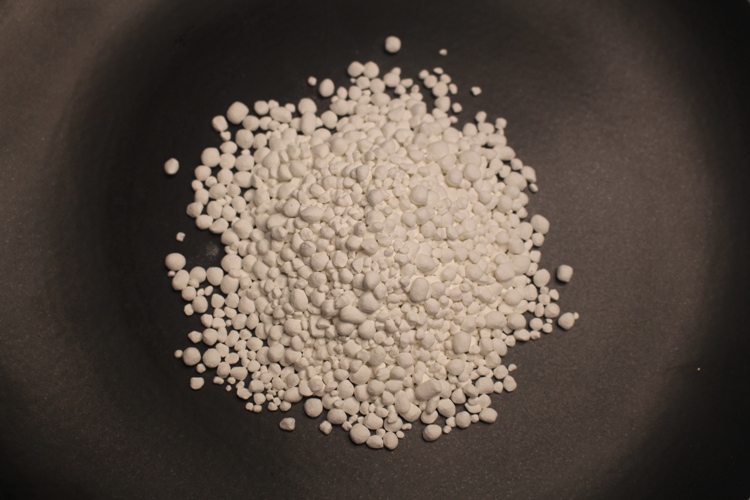
- It serves as an eco‑friendly component in pet litter and cleanup granules.
Contact Seema Minerals’ sales team or download our technical data sheet to explore specific grades or request a product sample.
What Makes Kieselguhr Unique?
Before exploring extraction, let’s understand the key traits that drive every use of kieselguhr:
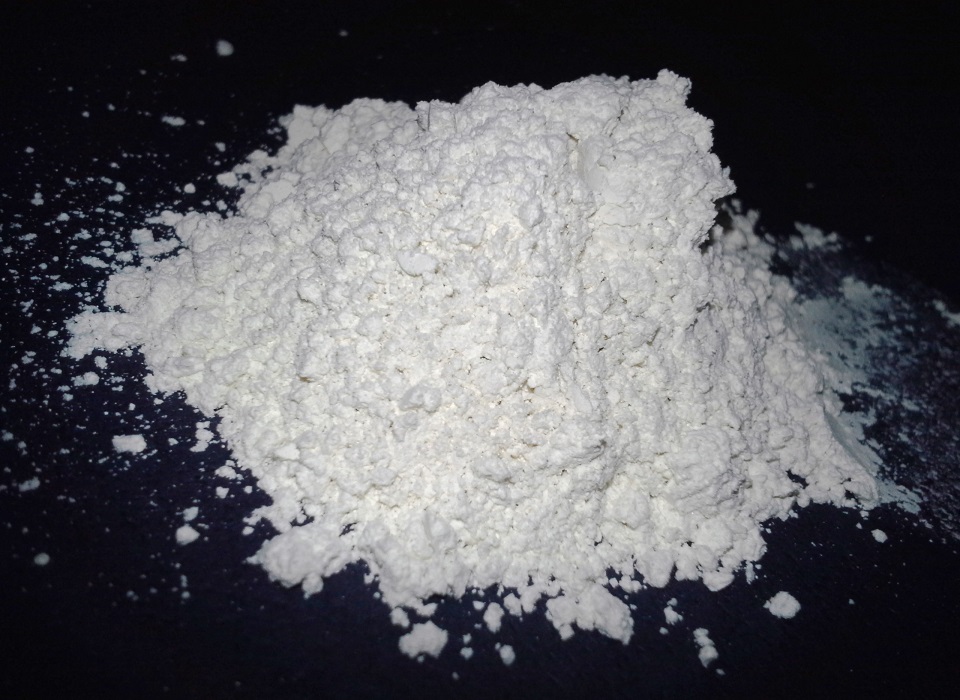
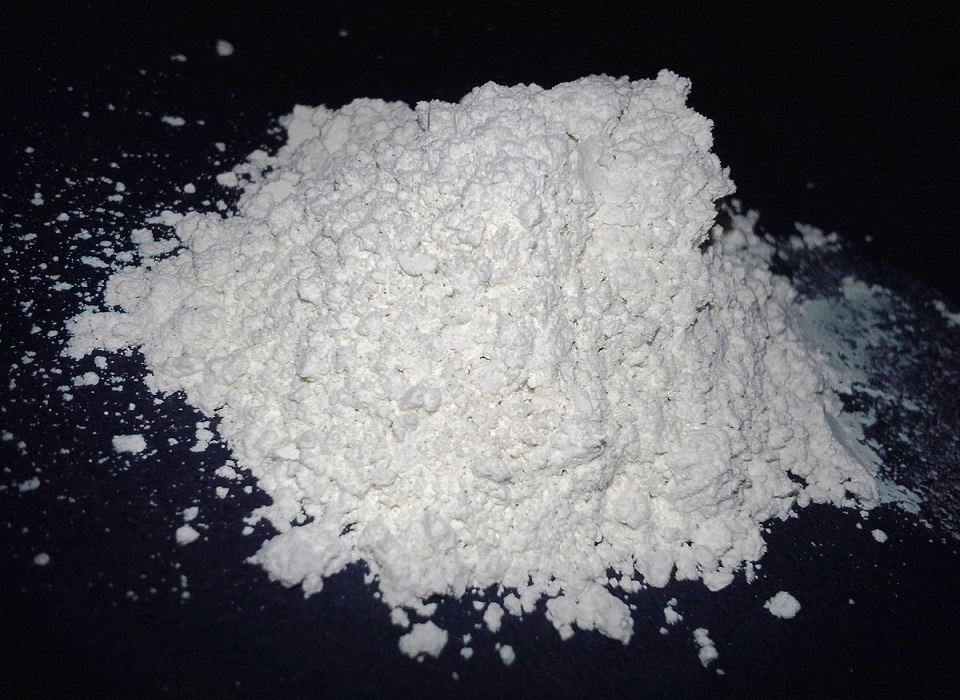
- Biogenic Origin: Composed of silica cell walls from ancient diatoms.
- High Porosity: Over 85% void volume for superior filtration and absorption.
- Large Surface Area: Up to 800 m²/g to trap particles and moisture.
- Thermal Stability: Withstands temperatures above 1,000 °C—ideal for insulation.
Kieselguhr Structure and Composition
- Primary Component: SiO₂ (silicon dioxide) > 99% purity.
- Particle Size Range: 2–100 microns, customized via milling.
- Moisture Content: Controlled between 2–6% during drying.
- Bulk Density: 0.1–0.3 g/cm³ depending on grade.
Why Choose Seema Minerals?
- Premium Purity: We guarantee a minimum of 99% SiO₂ for consistent performance.
- Tailored Grades: We customize particle sizes and moisture levels to meet your specific needs.
- Stringent Quality Control: Every batch undergoes rigorous testing to ensure purity and optimal performance.
Conclusion
From ancient diatom deposits to precision-processed powder, kieselguhr remains essential for applications in filtration, insulation, agriculture, and much more. Seema Minerals combines geological expertise and advanced processing to deliver quality you can trust. Whether you need ultra‑fine kieselguhr for filtration or coarse grades for agricultural pest control, Seema Minerals has the right solution. Explore our offerings today!