


How Silicon Fertilizer Helps Crops Resist Pests and Diseases

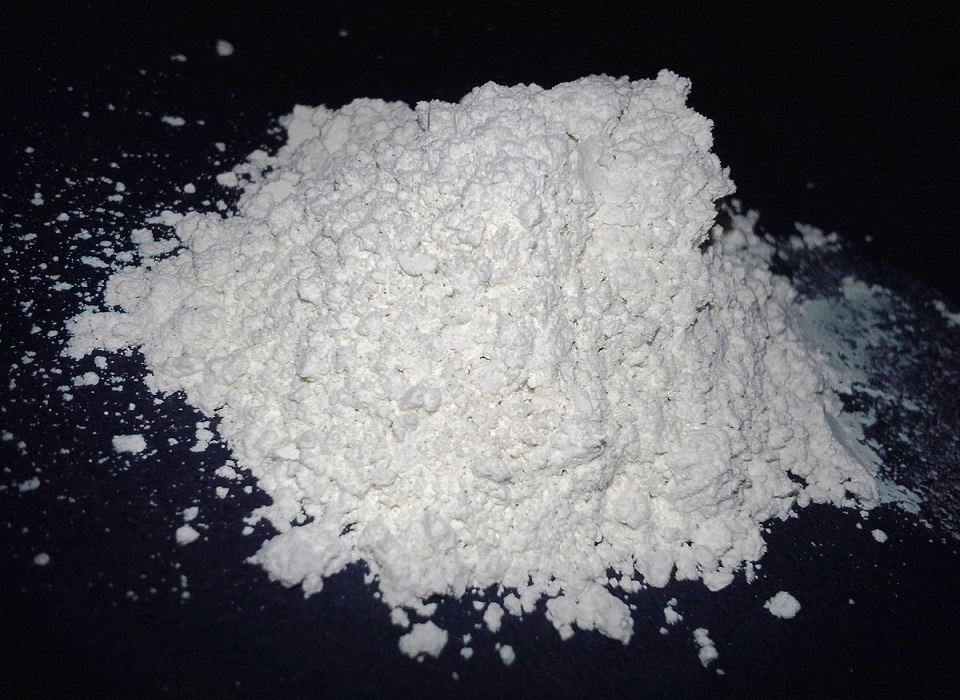
Everything You Need to Know About Diatomaceous Earth for Insecticides
December 8, 2025
Where Does High-Purity Diatomite Come From? Mines, Manufacturers & Origins
January 27, 2026Silicon fertilizer is a safe, easy-to-implement fertilizer that helps plants remain resilient against insects and disease from the root level upwards. It is a trace nutrient, such as silicon or calcium silicate, that plants take in and use, spiking leaf, stalk, and root development. This helps increase the rigidity of plant cells, which provides a barrier that most chewing insects and plant disease find difficult to overcome. So, what’s the importance here? It’s simpler: plants are harder to infect, require fewer applications, and are cleaner when harvest time arrives. Most farmers who use silicon fertilizer feel a significant difference with the crops, which now remain greener for a longer period, as you know.
What is the Necessity of Silicon Fertilizer in Agriculture?
For instance, consider a situation where plants are subjected to a hot, dry environment, making weak plants wilt, giving pathogen agents an opportunity to attack. Silicon builds up beneath the epidermis, providing support inside the plant that helps prevent pathogen invasion and leaf damage. Silicon also enhances the activity of antioxidant enzymes, making stomatal function better as a means of helping plants retain water, thus minimizing oxidation when stressed. Such plant changes enable improved nutrient uptake, hence faster plant recovery when injured. The advantages of applying a silicon fertilizer in india include reduced disease severity, improved marketability, and even ripening. Silicon fertilizer introduces silicon into plants, which enhances plant defense mechanisms, hence providing resistance This is what happens in simple farming terms. First, the deposition of silica strengthens the cell wall, creating a layer of glass that provides a form of protection, making plant tissues less preferred and developing pest-resistant crops. Second, silicon primes the plant’s biochemical responses, with increased antioxidants, which develop faster responses against disease, keeping the disease lesions small on disease-resistant plants. Third, silicon enhances drought resistance because plants maintain adequate turgor pressures; non-stressed plants are easily protected against opportunist plant pathogens. Fourth, increased silicon enhances nutrient uptake, ensuring that plants are not harmed by imbalances. It’s a matter of providing a sound foundation and a coaching mechanism for growth. The amazing thing? Increases in crop yields of 15 to 20%, with a possibility of a 30 to 40% drop in insect pests, make farmers’ neighbors’ heads spin when silicon technologies are harnessed together with proper plant care.
Practical Application Tips for Silicon Fertilizer
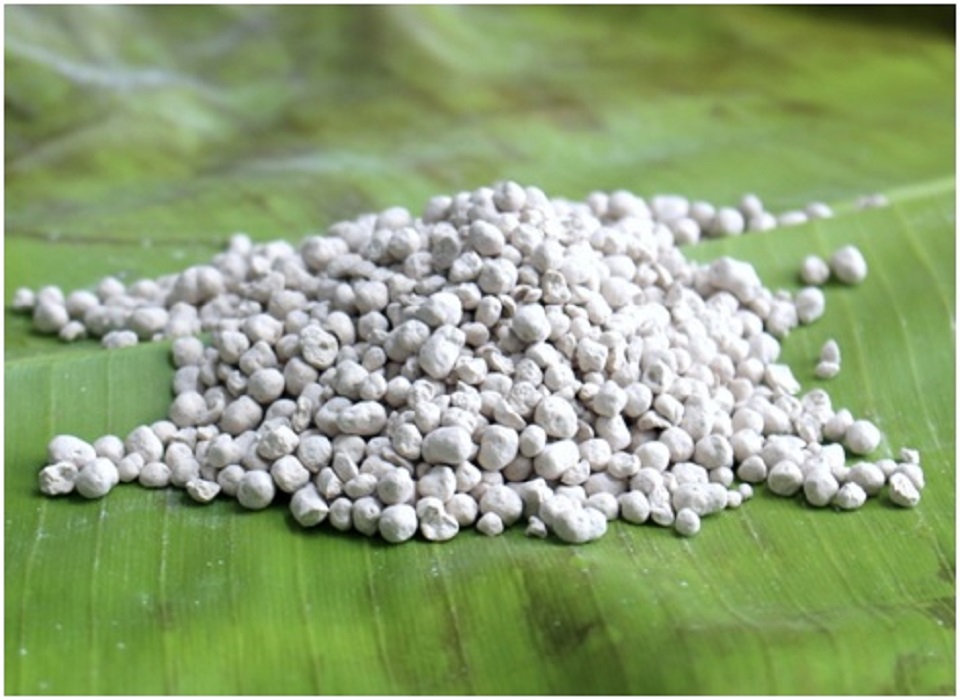
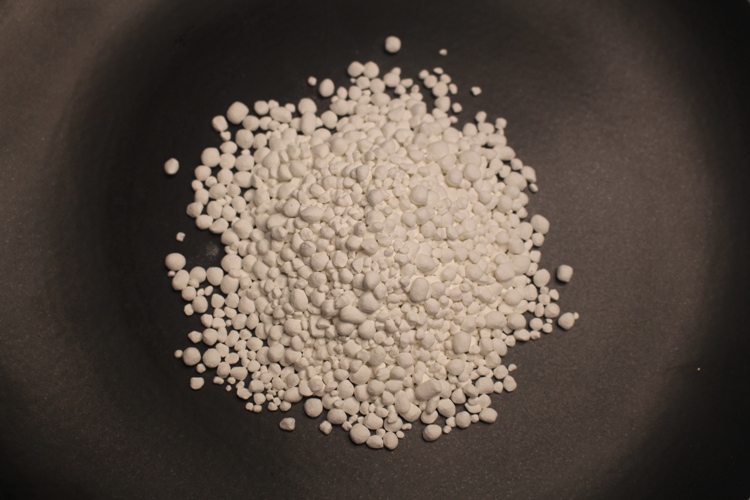
You might ask how to apply it. For soil amendment, a practical starting range is 100–300 kg per hectare depending on soil test and crop history. For foliar work, apply at the vegetative stage when young leaves expand so silica deposits in new tissue; repeat applications two to three times per season if pressure is high. Compatible crops include rice, sugarcane, vegetables, cereals and many fruits. For growers wondering about silicon fertilizer application, Seema Minerals’ product range includes granular soil amendments and soluble foliar mixes; they recommend tailoring doses to soil tests and crop stage. A quick farm anecdote: I talked to a grower who added silica for two seasons—he said harvests were easier and storage losses dropped. That hands-on experience matches what the lab and field both report.
Silicon Fertilizer vs. Traditional Pesticides: The Smart Choice
Is silicon a complete replacement for pesticides? Not immediately, but it is a strategic, sustainable complement. As a crop protection fertilizer, silicon strengthens plants so attacks are less successful, which lowers spray frequency, reduces residues on produce and slows resistance development in pest populations. Silicon crop protection fits neatly into integrated pest management and sustainable agriculture plans. So ask yourself: wouldn’t you rather invest in plant resilience than chase pests with more sprays? Many farmers find the answer is yes — it saves money over time and gives cleaner, more marketable crops.