


Is Bentonite the Same as Diatomaceous Earth?

The Benefits of Silicon Fertilizer for Soil & Plant Health
March 3, 2025
The Science Behind Diatomaceous Earth: How It Naturally Eliminates Pests
April 14, 2025The industries and medical sector utilize bentonite clay and diatomaceous earth(DE) for different functions. Bentonite and diatomaceous earth although they have common traits exist as distinct materials with their own set of features. Our decisions depend on understanding key differences between products and matching them with required functions.
Earthworks Health
What is Bentonite?
Bentonite is a type of clay formed from volcanic ash. It primarily consists of montmorillonite, a mineral known for its ability to absorb water and expand. Because of its absorption abilities bentonite finds useful applications across different markets.
What is Diatomaceous Earth?
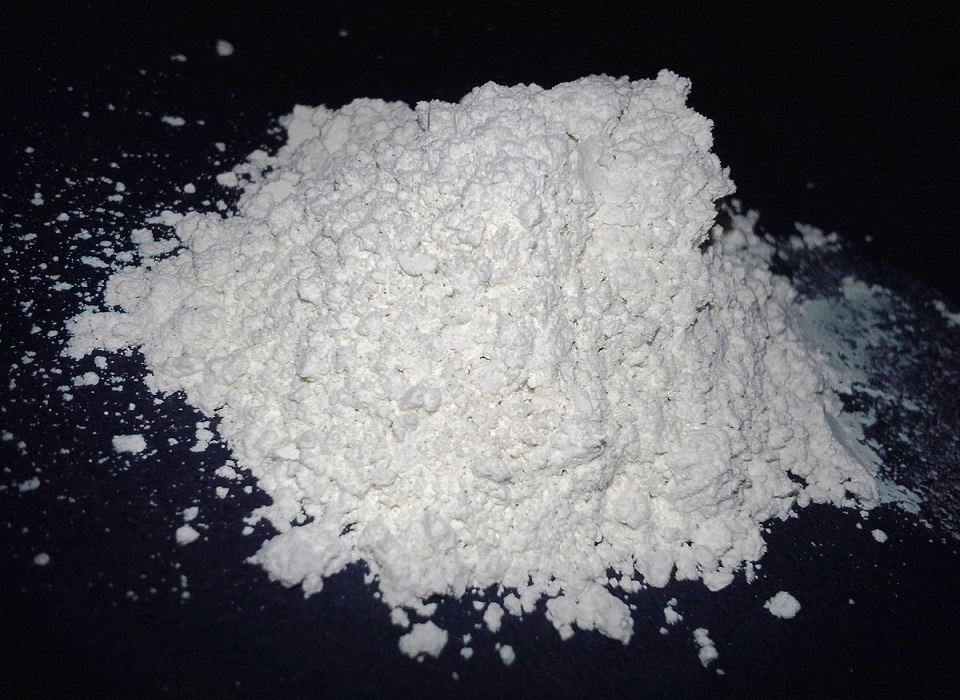
Diatomaceous earth a soft white sediment made of ancient diatom fossils.The tiny algal fossils that make up DE contain large amounts of silica that form its structure.
Common Uses of Diatomaceous Earth
Agriculture: Agricultural farms use DE as a insect-killing agent. The rough texture of DE breaks through insect exoskeletons and creates moisture loss that leads to their death.
Earthworks Health
Key Differences Between Bentonite and Diatomaceous Earth
Composition:
Bentonite:It mostly consists of montmorillonite clay minerals that compose its structure.
Diatomaceous Earth: It consists of fossilized diatom skeletons mostly made from silica.
Physical Properties:
Composition:
When you mix Bentonite with water it creates a smooth and valuable substance.
Earthworks Health
The grains of DE appear as soft friable powder that stays inactive in water.
Mechanism of Action:
Bentonite absorbs substances into its own form by taking them in.Earthworks Health
Diatomaceous Earth: Functions through adsorption, binding substances to its surface.
Earthworks Health
Applications:
Diatomaceous Earth: Utilized in agriculture as an insecticide, in supplements, and for filtration purposes.
Seema Minerals: Your Trusted Supplier
Seema Minerals operates as an established company in Udaipur, Rajasthan that produces and supplies bentonite and DE materials to customers. For 40 years Seema Minerals supplies high-quality product variations beneficial to industries.
Seema Minerals
Bentonite Products
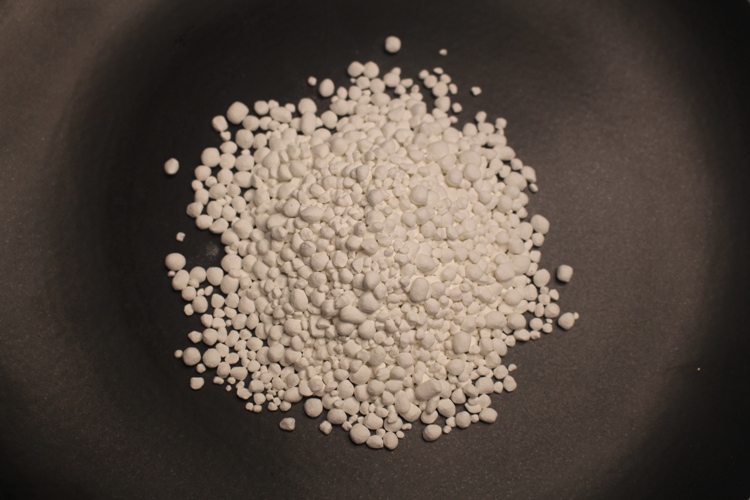
Seema Minerals sells bentonite clay to produce medicines.
Seema Minerals
Conclusion
Though some might look alike bentonite and DE have different makeup and qualify for separate uses. Bentonite clay from volcanic ash demonstrates swelling and absorption properties that companies use in industrial production. Although made of fossilized diatom remains both products display distinct traits through silica presence and grain roughness to serve agriculture farming and filtration systems.
You must understand material differences to make correct choices for your requirements. As a leading company, Seema Minerals delivers top-quality bentonite and DE products that match specific market applications. They stay committed to producing exact products based on client needs and high-quality work standards.