


Where Does High-Purity Diatomite Come From? Mines, Manufacturers & Origins

How Silicon Fertilizer Helps Crops Resist Pests and Diseases
December 16, 2025
Global Demand Trends and Market Growth of Diatomaceous Earth
February 2, 2026High-purity diatomite is more than a raw mineral; it's a material whose performance begins at the source. Understanding where diatomite comes from and who processes it matters for filtration, agriculture, coatings and other industrial uses. Before you choose suppliers, it helps to know how deposits form, how ore becomes a controlled grade, and which diatomite manufacturers can reliably trace material from mine to finished product.
How Diatomite Forms in Nature
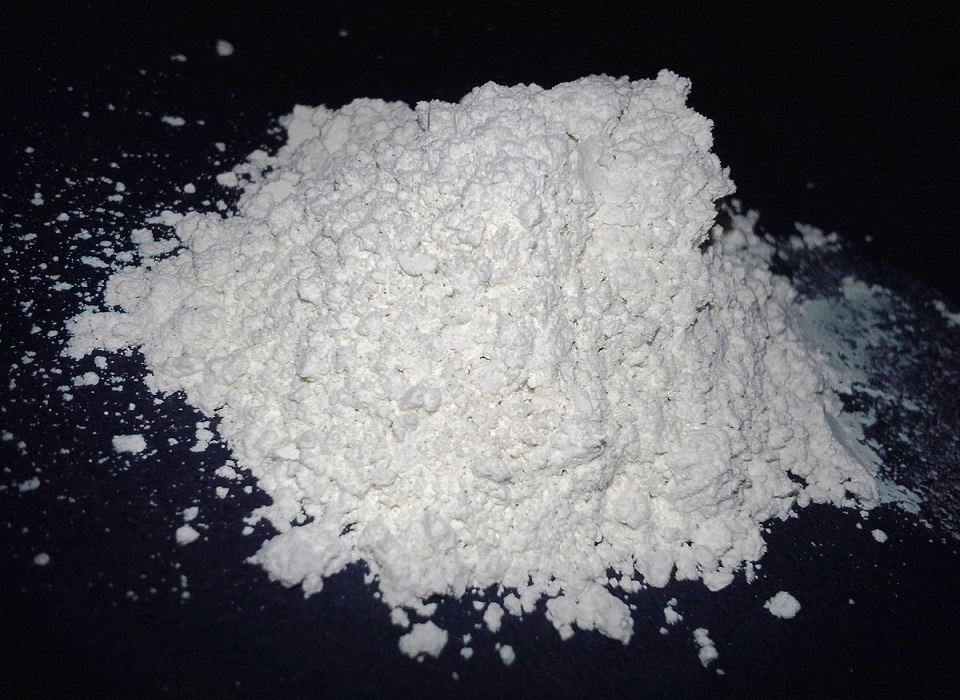
Diatomite (also called diatomaceous earth or kieselguhr) is essentially the fossilised skeletal remains of microscopic algae known as diatoms. These tiny organisms build silica shells; when they die, their shells settle in quiet lakes or marine basins and slowly accumulate as a very porous, silica-rich sediment. Over long periods, layers of this soft sediment compact into the lightweight rock we mine today. The original environment - freshwater vs. marine, local chemistry, and subsequent geological changes - strongly influences how pure and uniform a deposit will be. In short, not all diatomite is created equal.
From Mines to High-Purity Diatomite
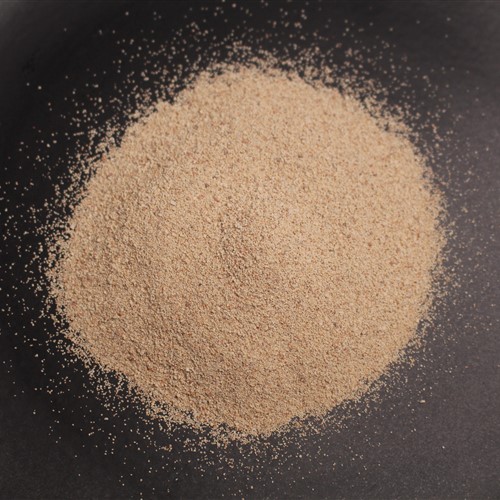
Most commercial diatomite deposits lie near the surface and are recovered by surface or open-pit methods rather than deep underground tunnelling. Mining typically starts with removing the thin overburden, then extracting the friable diatomite. From there, careful processing is required: drying the damp ore, gentle crushing and size reduction, fine milling and micronization, and classification to separate particle sizes. Some applications demand thermal treatment or calcination to alter silica structure and remove organics, creating high-purity diatomaceous earth suitable for strict filtration or insulation needs. Throughout, preserving the delicate diatom structure and controlling contamination are essential - sloppy handling will change performance in filters, fillers, or fertilizers.
Global and Indian Origins of Diatomite
Diatomite appears in several regions worldwide - parts of North America, Europe, Africa and Asia all host deposits. In India, the Rajasthan belt is a notable source; reserves near Jaisalmer have supplied much of the country’s industrial diatomite. That regional context matters to buyers. Local geology shapes impurity levels and particle characteristics, while proximity to processing plants affects logistics and consistent supply.
Seema Minerals - From Jaisalmer Mines to Global Markets
Seema Minerals & Metals brings over 40 years of experience in mining and refining diatomaceous earth in India. With mining leases around Jaisalmer and a dedicated processing facility near Udaipur, the company controls both extraction and manufacture - a key advantage for traceability and consistent product quality. Their plant uses modern milling and micronizing equipment, rotary drying and kiln systems, plus washing and granulation lines to produce tailored grades without compromising the ore’s essential properties.
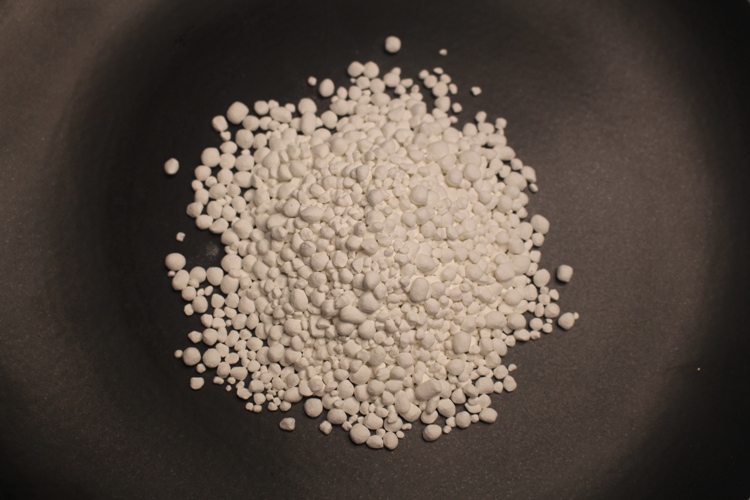
This integrated approach allows Seema Minerals to supply a wide range of application-specific products: diatomite silica granules and silicon-rich fertilizers for soil health; finely milled fillers for paints and coatings; and high-quality media for refinery and industrial filtration. They also deliver diatomaceous earth used in insecticide carriers, thermal insulation, and mould-release systems. Alongside these, Seema offers pharmaceutical-grade bentonite clay and silicon fertilizer as part of a broader mineral solutions portfolio.
Why Diatomite Origin Matters for Buyers
Why should procurement teams care about provenance? Because origin affects consistency, trace heavy-metal profiles, and long-term availability. Technical buyers often need documented test results, consistent particle size distribution, and assurance that a supplier holds secure mining rights. In many real projects, these factors determine whether a material passes regulatory checks or performs reliably under process conditions.
Choosing the Right Diatomite Manufacturers
To properly evaluate diatomite manufacturing companies, look for the following factors: The direct management of mining assets, current equipment/technology to process diatomite, the ability to develop individually tailored particle size and bulk density, a commitment to providing customers with all workplace and product testing information, the ability to provide full logistical capability for export. The growing importance of environmental responsibility and technical assistance from suppliers should also be considered. Seema Minerals has been a successful partner in these areas, having long-term leases on multiple mines and possessing extensive knowledge/technology regarding diatomite processing, as well as providing environmentally and socially responsible practices.
For purchasers of high-purity diatomaceous earth from reliable sources in India, the manufacturers with end-to-end supply control, such as Seema Minerals & Metals provide industrial and agricultural end-users with the assurance that they will receive the right product for their specific needs. Their range of diatomite is available for exploration and contact to determine the right grade and testing options available for their products.