


Choosing the Right Diatomaceous Earth between Natural, Calcined or Flux-Calcined

Diatomaceous Earth as a Natural Deodorant Ingredient: What Cosmetic Brands Should Know
September 8, 2026Diatoms are tiny algae. They inhabit lakes and oceans, after they die, they sink to the bottom and over millennia, their silica shells form deposits thick enough to be mined. Most of the stuff is mined, dried and sold as diatomaceous earth and used in the processes that people don't pay attention to until the moment they fail, like juice filtering or stopping a plastic film from sticking to itself. The catch is that the powder in the bag isn't the same powder that was taken from the land, as heat changes it considerably.
Natural, Calcined and Flux-Calcined Diatomaceous Earth Explained
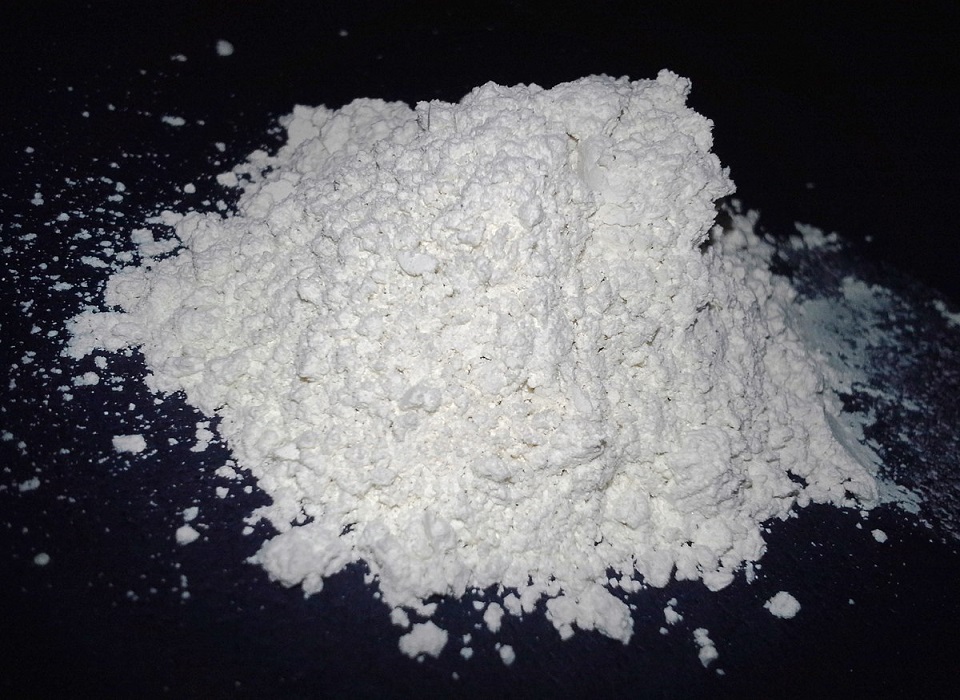
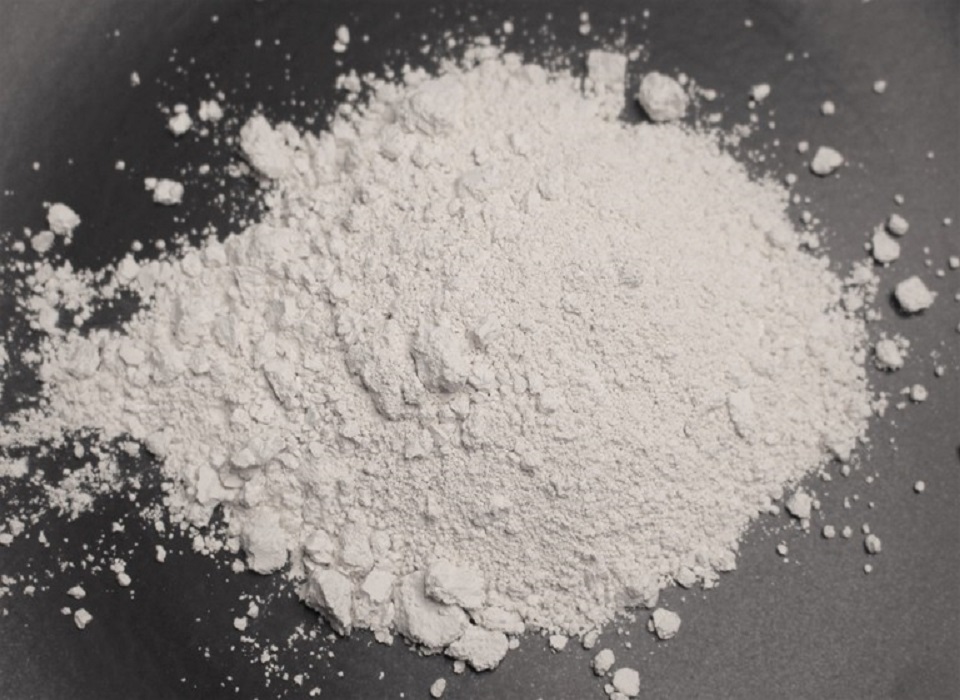
The starting grade of diatomaceous earth is simply crushed, dried, and milled. That's it. It has either a pale gray or buff color, sometimes almost white, and still retains some moisture and organic material. Since the structure stays unchanged, the resulting granules are fine and absorbent, which is necessary for fillers, distributors, and anti-caking agents. It is not very good as a filtering agent because the liquids go through slowly.
How Heat Treatment Changes the Material
Calcined grades of diatomaceous earth go through a kiln at roughly 900 to 1,000°C. The heat burns off organic matter and sticks the tiniest particles together into clumps. Clumps leave bigger gaps. Bigger gaps mean faster flow. A pink or tan colour is common here, which surprises people, but it's only the iron oxidising.
Flux-calcined is the same idea pushed harder. Soda ash goes in before firing and melts the particle surfaces together, so the clumps grow even larger. Flow is quickest of the lot and the powder usually comes out white. You give up a little clarity for that speed, so we wouldn't call it the "best" grade. It's the fast one.
Matching Diatomaceous Earth to Your Application
Work backwards from the job. If you're clarifying beer, edible oil or a pharmaceutical liquid, the filter aid is doing the heavy lifting, so you're choosing between calcined and flux-calcined. Need throughput? Flux-calcined. Need the liquid to come out brighter and can wait a bit longer? Calcined. A brewery and a plant running a thick chemical stream rarely agree on this.
Paints, rubber, plastics, farm carriers, spill absorbents: natural does the job. Spending more on calcined powder for these is just throwing money away.
If you can't decide, order small samples of two neighbouring grades and run them on your own liquid. A few hours of testing will tell you more than any spec sheet. Honestly, most problems we see with diatomaceous earth start when people skip that.
Quality Checks Worth Making Before You Buy
It is necessary to get the certificate of analysis and to read it, as many buyers simply put it aside, not bothering to read it. The silica content, permeability, bulk density, pH, moisture, and particle size all play an important role. As far as permeability is concerned, this is crucial for filtration since it is the main factor for both flow and clarity.
Any decent supplier raises that before you do. Last thing, and it's the one that bites later: consistency. A grade that works in trial and drifts by the third delivery will cost you far more than the sample ever saved.
Why Choose Seema Minerals
Seema Minerals provides diatomite and kieselguhr to industrial customers who desire consistency with each order they place. Before placing an order in bulk, Seema Minerals talks through quality options; we recommend requesting trial samples. Each batch comes with documents that state what is contained in the shipment, taking the guesswork out of it for the quality department. The method of dispatch is very straightforward; if for some reason something has to wait for a while, a customer would hear about it from us first. Hence, if a customer frequently buys diatomaceous earth for production purposes, that certainty has more value than getting several rupees per ton less.
Making the Right Call for Your Process
There's no ladder here from basic to premium. Natural soaks up, calcined balances flow against clarity, and flux-calcined gets liquid through fastest. Decide which of those you actually need, test two grades, read the paperwork. Do that and choosing diatomaceous earth gets a lot less stressful. Still stuck? Tell Seema Minerals what you're filtering and we'll point you to a grade.
Frequently Asked Questions
1What is the main difference between calcined and flux-calcined grades?
Soda ash. Flux-calcined powder gets it before firing, so you end up with bigger clusters, faster flow and a whiter colour. Calcined powder is fired without flux, which means slower flow but usually tighter clarity.
2Can natural grade be used as a filter aid?
Yes, but mostly for slow, fine polishing work. Flow is low and the bed clogs sooner, so most plants use calcined or flux-calcined grades for regular filtration.
3Why are some grades pink and others white?
Iron. It oxidises during calcination and gives a pink or tan tint. Flux changes the chemistry at higher temperatures, and that's what produces the white colour.
4Is diatomite powder safe to handle?
Dry handling of diatomaceous earth creates airborne dust, so use masks, ventilation and closed transfer where you can. Calcined grades can contain crystalline silica, so follow the exposure limits that apply to your site.
5How do I choose the right grade for my application?
Decide whether flow speed or clarity matters more, then request samples of two nearby grades. Test them on your own liquid and compare filtration time, clarity and cost per batch.
Related posts
September 8, 2026
May 18, 2026
April 6, 2026