


Diatomaceous Earth as a Natural Deodorant Ingredient: What Cosmetic Brands Should Know

Role of pharmaceutical-grade bentonite clay in modern solid dosage formulations
August 12, 2026
Choosing the Right Diatomaceous Earth between Natural, Calcined or Flux-Calcined
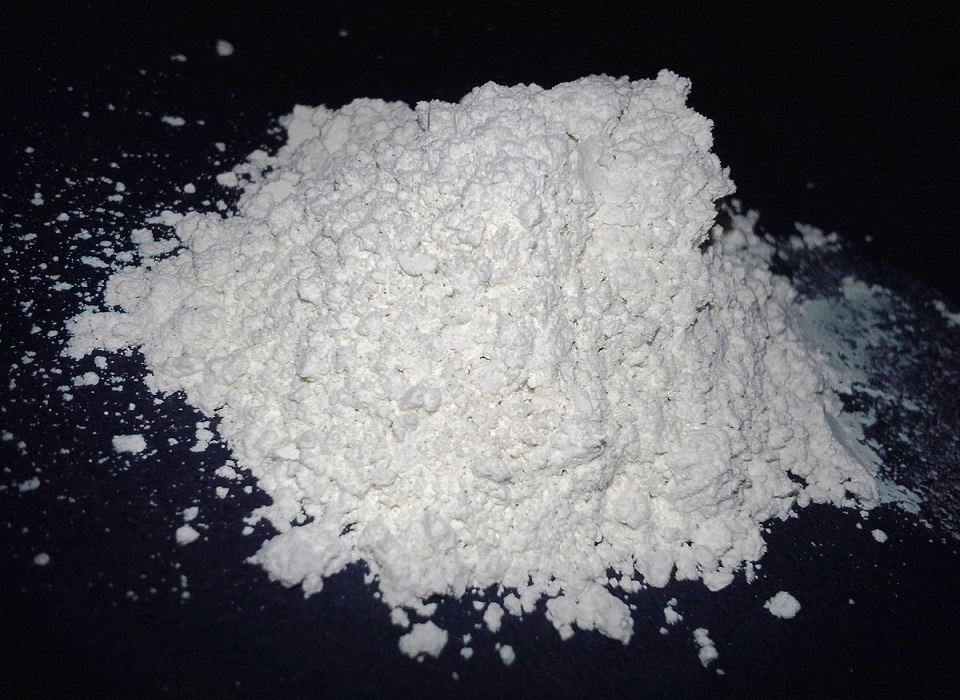
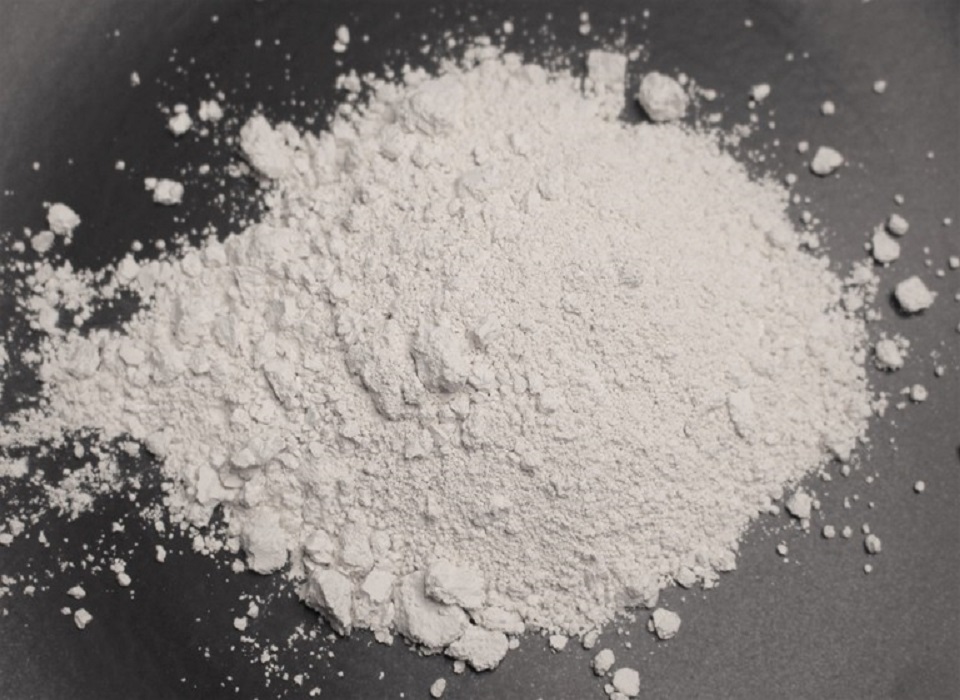
October 8, 2026In recent years, consumers are more particular about the content of deodorants. This is understandable, as no one has to have a degree in chemistry to know what is on the label. One of the most interesting substances to use in deodorant creation is diatomaceous earth since it is composed of algae remnants that are turned into a fine powder, forming a sponge-like structure that absorbs moisture very well. Companies should pay attention to this material when making their natural deodorants because it has more value than marketers would like to admit.
Why Diatomaceous Earth Belongs in Your Deodorant Formula
Knowing how the mechanism works makes it seem almost ridiculously simple. Sweat itself is odorless. When bacteria existing on your skin decompose the sweat, it is then that the smell comes up. No moisture means no odor. Simple as that. The process used is physical, not chemical, and that’s why manufacturers of products made with aluminum always find themselves here. The porous layer also absorbs the particles responsible for the unpleasant smell, so it works twice using only one ingredient.
How This Mineral Actually Performs in a Formula
Anyone who has ever used one of the original natural deodorants can attest to the many problems involved. Gritty consistency. Gets smudges all over black shirts. Hard to apply evenly. However, the use of cosmetic-grade diatomaceous earth, crushed to a fine powder, improves things considerably; this type of diatomaceous earth has soft and silky characteristics. It works great with arrowroot, baking soda and shea butter and is the filler that helps keep all the elements of the stick together. Some cosmetic formulators creating products for sensitive skin told us they have abandoned baking soda in favor of using diatomaceous earth.
Texture Advantages Diatomaceous Earth Brings That Other Fillers Don't
Clean beauty has long passed the stage of a buzzword used in marketing. Sephora and Credo have each established a list of banned ingredients, and consumers do read labels now, making this affect their buying behavior. One mineral you can explain in one sentence makes it possible for your product to beat a product containing a 10-syllable chemical name when the consumer is weighing two similar products at the store.
Where Sourcing Quality Actually Shows Up
This is part that the brands don’t want to look at; however, they must. There is a tremendous difference between the materials that are used and branded for cosmetics and those that can be claimed to be good only for filtering pools. The difference is that, while in the case of cosmetic grade it is necessary to meet the siliceous benchmark, this means that moving to agricultural or filtering grade ones will not lead to being able to comply with the above-mentioned benchmark. It is crucial to avoid situations of buying only because of the cost factor since it may lead to costly consequences.
Sourcing Diatomaceous Earth: What Cosmetic Brands Should Verify
Seema Minerals designed its testing process specifically for clients in the pharmaceutical and nutraceutical sectors who really cannot risk getting a product batch wrong. The same solution applies to the cosmetics sector, where every batch is checked for various factors such as particle size, impurities, and moisture before shipping. As a result, fewer surprises occur during formulation, and the supplier is better prepared to educate customers on grading than simply providing price quotes per kg. In addition, Seema Minerals collaborates with formulating experts to ensure that the required particle fineness matches the appropriate food structure.
What This Means for Your Next Formulation
Demand for natural deodorant isn't going anywhere. The brands that nail it the first time usually treat diatomaceous earth and the supplier behind it as equally important decisions, not the mineral as the headline and the supplier as an afterthought. Get the particle size or purity testing wrong, and you're not launching in six months. You're reformulating.
Frequently Asked Questions
1Is diatomaceous earth safe to use on skin?
Yes, provided it's cosmetic-grade, milled properly, and purity-tested. Skip food or pool-filter grades for anything touching skin.
2Does diatomaceous earth work as well as aluminum-based antiperspirants?
Different mechanism entirely: it absorbs moisture rather than blocking sweat glands. Most formulators pair it with other actives if they're chasing that same bone-dry feel.
3Can diatomaceous earth cause skin irritation?
Less often than baking soda. Still, patch test before you lock in a formula; nothing's irritation-proof for every single person.
4What particle size works best for deodorant formulations?
Fine and consistent. Gritty texture is the fastest way to lose a repeat customer. Exact micron count depends on the format: stick, powder, cream.
5How can brands verify the purity of the diatomaceous earth they're sourcing?
Ask for batch-specific test results on heavy metals, crystalline silica, and microbial load. If a supplier hesitates on that, that hesitation tells you what you need to know.
Related posts
May 18, 2026
April 6, 2026